Gardening is one of the finest hobbies you can take up or study. It reduces stress, beautifies your surroundings, home, villa, and connects you with nature. If you’re a beginner or just prefer a newborn baby for gardening, then to be successful, the trick is to choose easy plants with nice garden design ideas that aren’t too overwhelming. This is not only basic information, but it is also my complete journey about learning gardening and planting at the initial stage. I started with a few plants to learn about plant care and started gardening, And i assure you that if you are a beginner and going to start, want to learn the gardening this will going to help you out completely, whether it is choosing the right plant for the beginning or getting the idea of the gardening design, this guide or information will help you out.
With these simple plants, the beginners would be able to gain confidence, watch plants grow, and learn more about the advanced gardening methods without being overwhelmed. This guide tells you all that I have learned through trial and error, such as tips on real-life setup, DIY, and beginner-friendly designs, so you can start enjoying gardening on the first day and see the real results in a short period of time.
Recommended Top 5 Best Plants for Beginners I Also Chose
Being a plant lover, some of the plants which helped me personally, at my first steps of gardening, would be like to share. During that period, I virtually knew nothing about gardening or taking care of plants. The following were the plants which I used initially and they made me grasp key points of gardening like taking care of the plants, watering, temperature, and soil maintenance. I live in a village, and I could find some plants sometimes, which was problematic. On the example of the snake plant and spider plant, such plants could not be easily found in my village. Nevertheless, I managed to find other plants without too much trouble. My pothos plant was got at the home of a neighbour, and I could easily obtain herbs in the local farms. Marigold was also super easy to get from anywhere in my village.
These plants presented me with the courage to learn more about gardening. They were simple to keep and made me realize what is the true meaning of gardening and how plants grow and react to care. In my case, these plants that are easy to get into are sufficient to any person who is willing to embark on his or her gardening project and slowly get acquainted with the science of plants.
1. Snake Plant (Sansevieria)
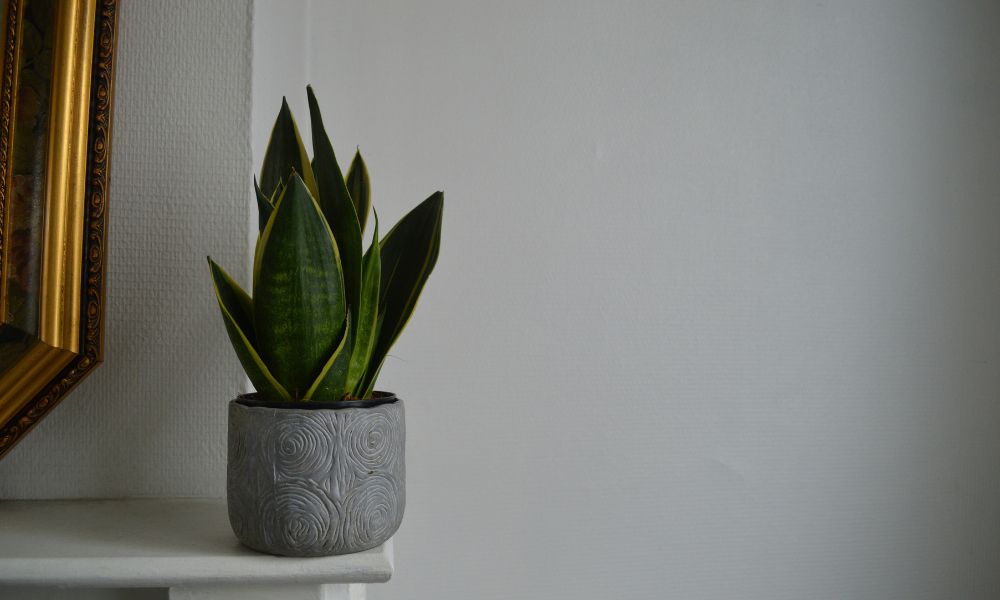
Sansevieria (Snake Plant) is an evergreen houseplant known for its tall, upright leaves with green and yellow patterns on the edges. It is popular as an indoor plant because it requires very little care and can survive in low light and irregular watering. This plant is also valued for helping improve indoor air quality by absorbing certain pollutants and releasing oxygen at night. Because of its strong, architectural look and easy maintenance, the snake plant is a popular choice for homes and offices.
Quick Snake Plant Information
| Feature | Details |
|---|---|
| Common Name | Snake Plant / Mother-in-law’s Tongue |
| Scientific Name | Sansevieria trifasciata |
| Plant Family | Asparagaceae |
| Native Place | West Africa |
| Plant Type | Indoor ornamental plant |
| Light Requirement | Low to bright indirect sunlight |
| Water Requirement | Low watering (every 2–3 weeks) |
| Leaf Shape | Long, upright, sword-shaped leaves |
| Special Feature | Helps improve indoor air quality |
| Care Level | Easy to maintain |
Also Read: My New Garden Member Chrysanthemums Planting and Care Tips
2. Pothos (Devil’s Ivy)

Pothos / Devil is a beautiful house plant that has been widely planted due to its trailing vines and smooth and heart-shaped leaves. It is a member of the family Araceae and it is indigenous to the French Polynesia. This plant has great popularity in homes, schools and offices as they can be cultivated under various lighting conditions and very minimal care is required. Money plant is also referred to as money plant in certain locations. The peculiarity of Pothos is that it can be cultivated in both water and soil and therefore propagated and kept easily. Long hanging vines can also be developed by the plant thus it can be used to hang baskets or shelves. Pothos is also recognized to enhance the quality of air in a house besides being used to adorn the house by absorbing some of the pollutants in the air. It is regarded as one of the most excellent plants to start with and indoor plant due to its rapid growth and flexibility.
Quick Pothos (Devil’s Ivy) Information:
| Feature | Details |
|---|---|
| Common Name | Pothos / Devil’s Ivy |
| Scientific Name | Epipremnum aureum |
| Plant Family | Araceae |
| Native Place | French Polynesia |
| Plant Type | Evergreen trailing vine |
| Light Requirement | Low to bright indirect light |
| Water Requirement | Moderate watering (about once a week) |
| Leaf Shape | Heart-shaped, glossy leaves |
| Growth Style | Long trailing or climbing vines |
| Propagation Method | Easily grown from stem cuttings in water or soil |
| Special Feature | Helps improve indoor air quality |
| Care Level | Very easy to maintain |
Also Read: Shrubs with Roses I Can’t Imagine My Garden Without
3. Spider Plant
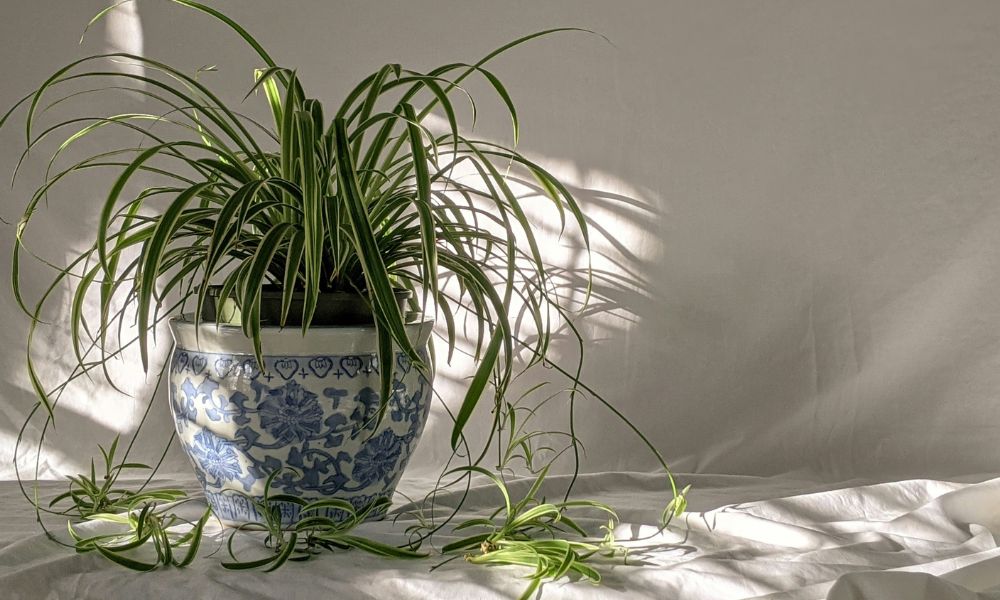
Spider Plant is an ornamental house and office plant that is very popular. It is characterized by long, curving leaves that extend and then curve down and therefore the hanging pots or baskets make the plant appear beautiful. The spider plant has one special characteristic in that it gives birth to small baby plants on long stems. These infants are suspended in the air and can be planted again to produce other plants. Due to its distinctive appearance and low maintenance, people tend to have spider plant in their houses to introduce greenery to their homes. It will thrive with simple care and not very demanding as compared to most other house plants.
Quick Spider Plant Information:
| Feature | Details |
|---|---|
| Common Name | Spider Plant |
| Scientific Name | Chlorophytum comosum |
| Plant Type | Indoor ornamental plant |
| Leaves | Long, narrow green leaves with white or yellow stripes |
| Light Requirement | Bright, indirect sunlight |
| Water Requirement | Water 1–2 times a week; allow the soil to dry slightly |
| Propagation | Can be grown from small baby plants (pups) |
| Benefits | Helps clean indoor air and improves decoration |
| Care Level | Easy to grow and maintain |
Also Read: Rose of Sharon: Personal Tips for Successful Planting and Growing
4. Herbs (Basil, Mint, Rosemary)
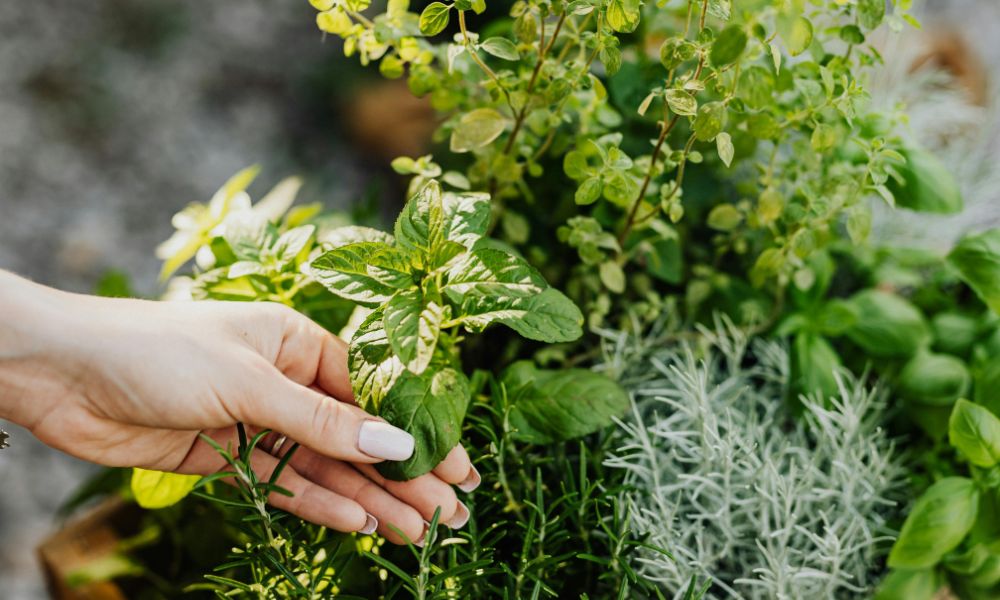
Herbs are also the best option for the initial stage of learning. Herbs refer to plants of small size, aromatic, very popular in cooking, natural medicine and home gardening. Perennial growing of herbs has become the favorite crop of many novice gardeners since it grows fast, occupies not much area, and can be harvested frequently. Herbs are an excellent source of fresh tastes and practical values, unlike most of the ornamental plants which only serve aesthetic purposes.
Basil, mint, and rosemary are three of the most popular, easy to use herbs. All these herbs possess their own peculiarities, the way of growth, and applications.
Basil
Basil is a tender and leafy herb which is widely used in cooking in most parts of the world. It thrives well in warm conditions and requires frequent exposure to sunlight. Basil plants are fast growing and the leaves are fragrant and they are commonly taken as salads, sauces and herbal drinks. Another interesting fact about basil is that it is better to harvest it more often, and it becomes bushier. The removal of the upper leaves causes the plant to produce branches rather than to grow long and skinny.
Mint
Mint is one of the simplest herbs to cultivate and is recognized to possess fresh aroma and relaxing flavor. It propagates easily by underground stems known as rhizomes and this implies that it can easily occupy a large area when planted on open soil. Due to such aggressive growth behaviour, most gardeners have been compelled to plant mint in containers to curb its propagation. Mint leaves are normally utilized in beverages, teas, desserts and herbal remedies. When the summer is also around the corner mint becomes very first choice to grow and learn initially more about caring of plants.
Rosemary
Rosemary is an evergreen needle-shaped herb that smells strongly. Rosemary is also a small shrub as opposed to basil and mint, and may outlive many years provided it is well cared after. Rosemary is dry and loves sunlight. Due to its toughness, it is frequently employed in gardens of the Mediterranean style. It is usually used in the flavouring of roasted vegetables, meat, and in herbal oils with its leaves.
Quick Herb Plants Information:
| Feature | Basil | Mint | Rosemary |
|---|---|---|---|
| Plant Type | Soft leafy herb | Spreading herb | Woody perennial herb |
| Sunlight Needs | Full sun | Partial to full sun | Full sun |
| Water Needs | Moderate | High | Low to moderate |
| Growth Habit | Upright and bushy | Fast spreading | Slow growing shrub |
| Best Growing Method | Pots or garden beds | Containers recommended | Pots or garden beds |
| Common Uses | Salads, sauces, pesto | Drinks, tea, desserts | Cooking, herbal oils |
| Beginner Difficulty | Easy | Very easy | Easy |
5. Marigolds Plant
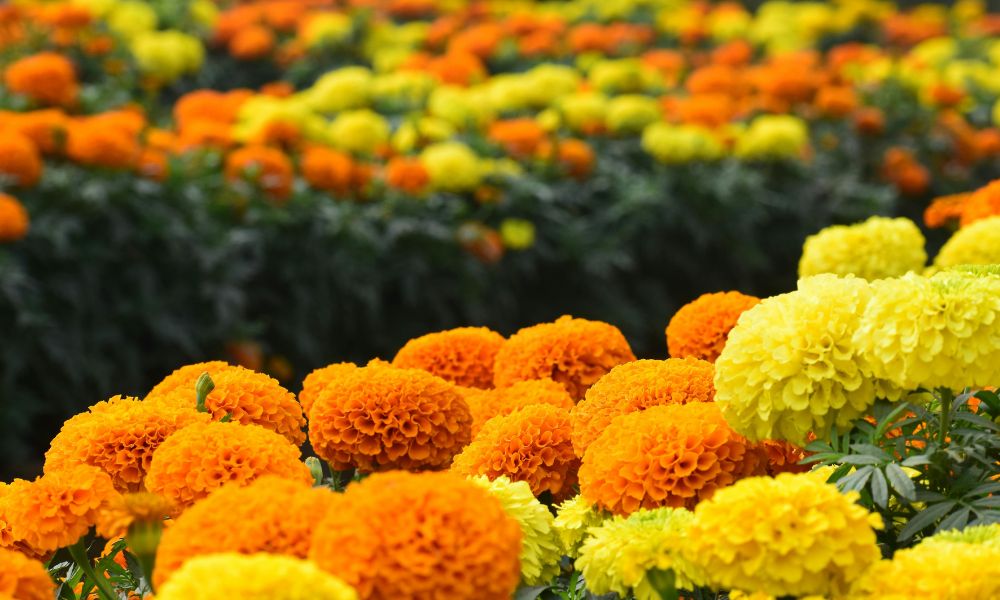
Marigold forms one of the most famous flowering plants that are cultivated in gardens across the globe. It has long-lasting bright yellow, orange and golden flowers which bloom. Marigolds are extremely simple to cultivate and thus can be suitable among the novice gardeners. They are able to grow properly under varied climates and they need very little care in comparison with many other flower plants. Another interesting aspect of the marigolds is that they are not only ornamental but also good in the garden ecosystem.
The foul odor of the marigold flowers prevents the entry of some pests and insects. Due to this natural property, most gardeners plant marigolds around vegetables to keep off the harmful insects to crops. There are marigold flowers in many cultures in addition to gardening in traditional decorations, religious ceremonies and natural dyes.
Also Read: Top 5 Roses For Your Beautiful Garden
Quick Marigold Plants Information:
| Feature | Details |
|---|---|
| Common Name | Marigold |
| Scientific Name | Tagetes |
| Plant Type | Flowering ornamental plant |
| Flower Colors | Yellow, orange, golden |
| Sunlight Requirement | Full sunlight |
| Water Requirement | Moderate watering |
| Growth Habit | Bushy plant with dense flowers |
| Blooming Season | Spring to autumn |
| Best Use | Garden decoration and pest control |
| Difficulty Level | Very easy for beginners |
Also Read: Mastering Bougainvillea Plant Care: Your Ultimate Guide to Vibrant Blooms
Easy Gardening Ideas As a Beginner, I Followed
After choosing the plant for beginning, there was another task for me, which was how I would and where I would plant them, as there were no pots at my home at that time. Then I thought to make some containers from the waste material on the roof of my house, and I started with full excitement, for pothos it was not difficult, as we can grow it without any soil or using any pot, we can easily use any bottle also, but the other plant needs a proper container or a pot. Below, I am sharing garden design ideas. By using such ideas, we can easily start to grow a plant at the beginning level.
But these days we can easily buy some pots or containers for the plants on some online platforms like Amazon, Flipkart, etc. Using the below garden design ideas, you can also start as I started.
1. Raised Bed Gardening
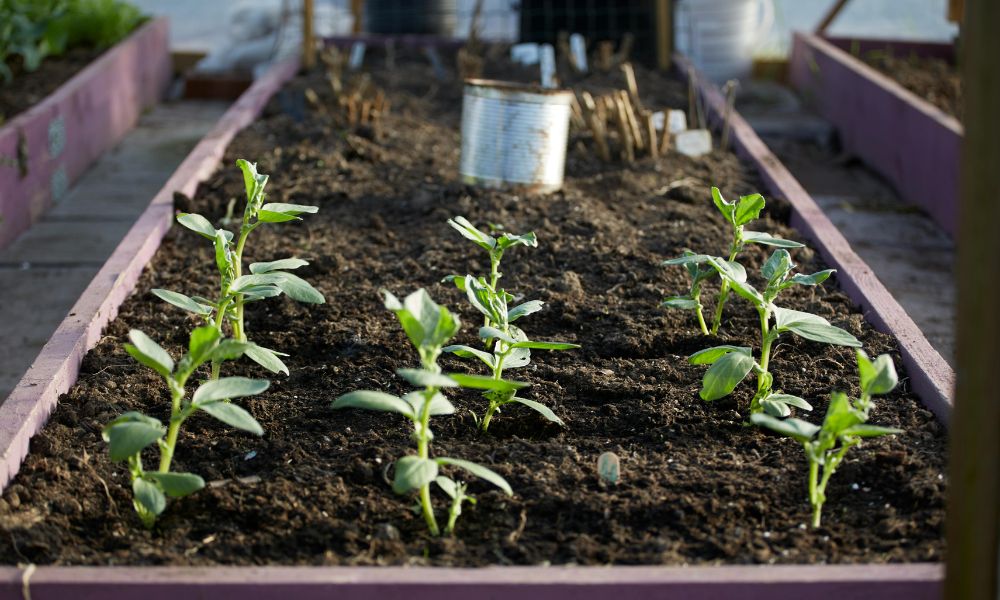
This is the very easy gardening design idea for start planting as a beginner, I also started using this, I made a long bed type container with the waste wooden at my home. Raised Bed Gardening is defined as a gardening technique where the dirt soil is kept above ground level in beds with frames made out of wood, stone and other materials. This technique provides an easy approach to soil quality and plant growth. Raised Bed Gardening is thought to be easy to maintain and requires less physical action while bending down to interact with the plants as compared to common gardens by ground level. It is useful in growing vegetable vegetables as well as flowers and other herb plants.
Quick Setup Guide for Plants in Raised Beds
| Best For Plant | Best Raised Bed Design | How to Set Up Raised Bed at Home / Buy Online | Ideal Soil / Mix | Benefits of Raised Bed | Disadvantages / Caution of Raised Bed |
|---|---|---|---|---|---|
| Snake Plant | Shallow bed (6–8 in height) with good drainage | DIY small wooden or plastic container. We can also buy pre-made small raised beds online | Well-draining soil mix (cactus/succulent mix) | Prevents waterlogging, easy to manage soil, reduces unwanted plants | Small bed may limit growth if roots don’t have enough space |
| Pothos | Medium-height bed (8–12 in) with support stick or pole | DIY bed using wooden crate or buy plastic raised bed online | 50% potting soil + 50% coconut fiber | Keeps plant organized, easy to move, simple soil care | Needs support; may require trimming often |
| Spider Plant | 6–10 in raised bed with loose soil | Wooden or plastic bed at home. We can also pre-made raised beds online | Garden soil + compost | Encourages baby plants, easy to manage, good drainage | Small beds can crowd plants; careful watering needed |
| Marigold | Standard bed (8–12 in), can mix with vegetables | DIY bed with bricks/woo. We can also pre-made raised bed online | Garden soil + compost + sand | Protects other plants from pests, colorful flowers, easy soil care | Short-lived; needs replanting each season; dead flowers must be removed |
| Mint | Medium-height bed (8–10 in) with border to contain roots | DIY bed with border or large container. We can also pre-made raised bed online | Garden soil + compost, keep soil slightly moist | Keeps plant contained, easy to pick leaves, fast growing | Can spread quickly if not contained; may take over other plants |
2. Container Gardening
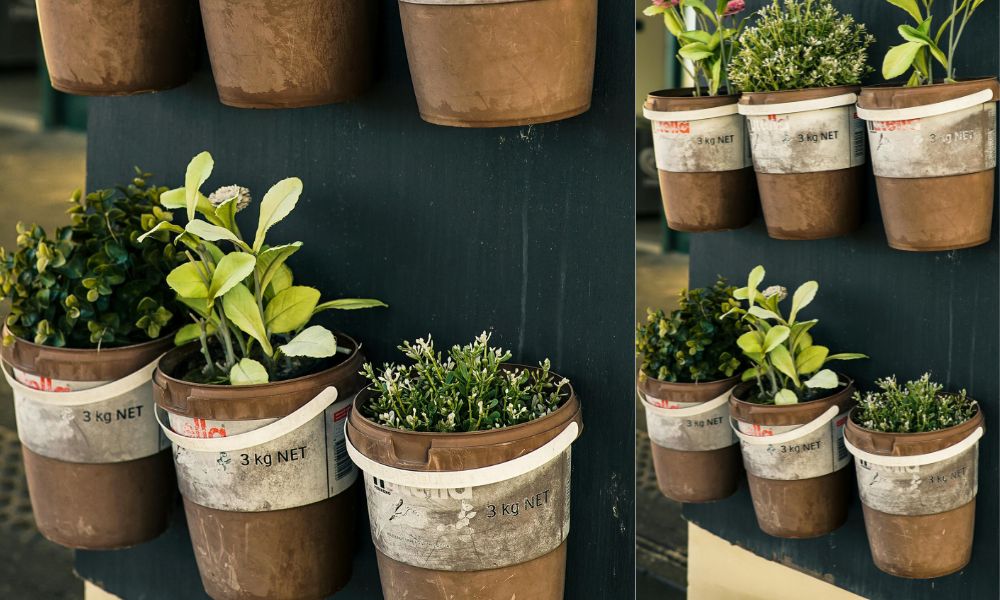
Container gardening is a style of garden that involves growing plants in pots, buckets, grow bags, or other containers rather than growing them in the ground soil. It is the best idea for people with limited space, such as balconies, terraces, patios, or the inside. This gardening style is ideal for beginners due to its flexibility and how easily they are able to care for the plants.
Quick Setup Guide for Plants in Container Gardening
| Best for Plant | Container Type / Size | How to Set Up at Home / Buy Online | Ideal Soil / Mix | Benefits of Container Gardening | Disadvantages / Caution |
|---|---|---|---|---|---|
| Snake Plant, Spider Plant | Small Pots (6–8 in) | Reuse old containers, buy small terracotta/plastic pots online | Well-draining soil mix (cactus/succulent mix for Snake Plant; garden soil + compost for Spider Plant) | Easy to move indoors, perfect for small spaces, low maintenance | Limited soil → plants may need frequent watering; not for large plants |
| Pothos, Spider Plant | Medium Pots (8–12 in) | Use nursery pots, wooden boxes, or online pre-made containers | Potting soil + compost or coconut fiber | Can hold multiple plants, lightweight, easy to manage | Roots may crowd if multiple plants in same container; requires pruning |
| Mint | Large Pots (10–16 in) | Large planters, buckets, or DIY containers; available online | Garden soil + compost + sand for drainage | Supports bigger plants, ideal for herbs, portable | Heavy when filled with soil; needs larger space; fast-growing, may need trimming |
| Pothos | Hanging Containers | Buy hanging baskets online or DIY with rope/string | Lightweight potting soil + compost | Saves space, decorative, great for indoors or balcony | Water drains quickly; may require daily watering in summer |
| Marigold, Mint | Window Boxes / Trays | Buy or DIY wooden/plastic boxes; place on windowsills | Garden soil + compost | Ideal for flowers and herbs; decorative; easy to reach | Soil dries faster, limited root space; may need frequent watering |
Buy online some pots, containers, and gardening stuff:
| Vertical Garden Wall Hanging Pot | https://amzn.to/3Ny5u71 |
| Bio Blooms Agro India Vertical Wall Hanging Garden Pots | https://amzn.to/4duDmfw |
| Ecofynd 16 Inches Apollo Railing Planters | https://amzn.to/4bCvhTC |
| CAPPL 100 Pcs Vertical Garden Wall Hanging Pot | https://amzn.to/4sOO9Wf |
| EYLEX Plant Stand Metal 6 Tier | https://amzn.to/4lzAIHm |
| Amazon Brand – Solimo 6 Tier Metal Potted Flower Pot Stand | https://amzn.to/4bzQduv |
| HASTHIP Metal Garden Trellis for Climbing Plants | https://amzn.to/4snogNA |
3. DIY Recycled Gardening
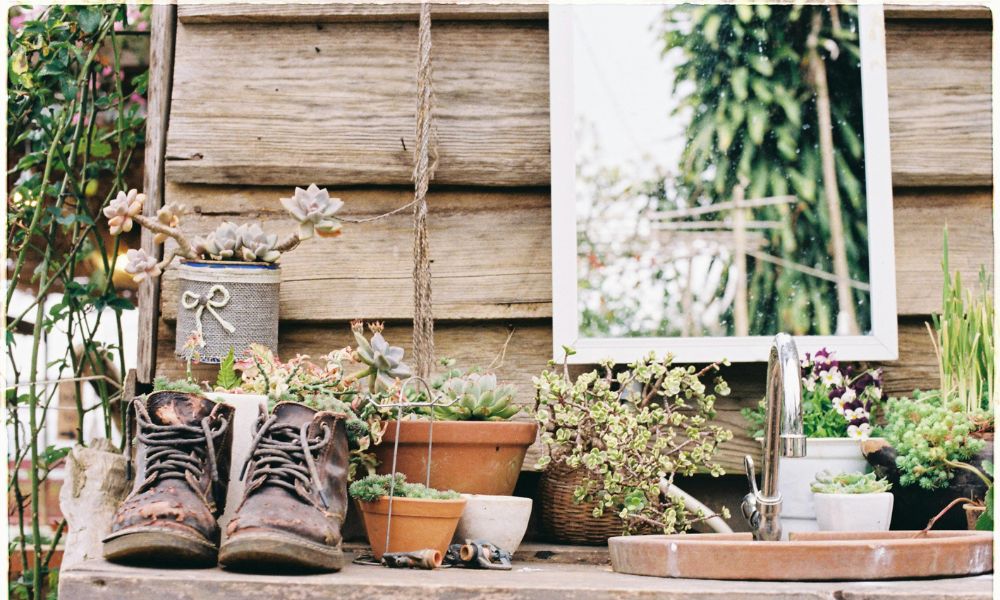
At the beginning of my gardening, I understood that I did not need fancy pots or expensive planters and I also had no pots at my disposal. I decided to recommend DIY recycled gardening since it is ideal to beginners. I started to take old shoes as miniature pots where I planted the Spider Plant and Snake Plant and it was a great success. They were simple to transport, offered a necessary space to roots and were also a decorative touch. Plastic bottles were transformed into hanging planters where Pothos could be grown, and I was able to have trailing greenery in small-sized indoor areas. In the case of Marigold and Mint, I used wooden crates, old buckets, and broken containers and packed them with soil and compost to provide a sufficient space to the plants to grow. I laughed a lot the first time I used a shoe as the means of planting, but when I was watching how the plant grew each day it always managed to give me the peace which I will never be able to describe in words. This is a very innovative method.
You are able to combine various kinds of containers, shapes, and sizes according to your balcony or small garden. It also allowed me to acquire the practical lessons on the drainage, even the recycled containers should have holes or a small amount of pebbles on the bottom in order to avoid the waterlogging. My other personal suggestion: Mint is a very fast growing plant and even with a recycled container which is somewhat bigger such as a bucket or a crate it is contained and can be harvested without spilling all over. Recycled gardening DIY is ecological, inexpensive and easy to start with. It promotes experimentation; we can examine what plants can thrive most effectively in which container, we can relocate pots to go in the sun and we can even stack containers together to make them look pleasing. Personally, I have found Spider Plant and Pothos to be highly tolerant in smaller recycled pots whereas Snake Plant and Marigold thrive in larger and deeper recycled pots. Mint has the advantage of having slightly larger containers, since it is possible to regulate growth. This is not only a cost-effective way of gardening as a beginner but it also gives your garden a personality. It transforms the common household objects into practical, living ornamentation, and offers a practical learning experience to amateurs, studying about soil, drainage, plant care, and even plant placement. In case you are having first plants I strongly suggest you should give DIY recycled gardening a go.
Quick Setup Guide for Plants in DIY Recycled Gardening
| Best for Plant | Recycled Container / Material | How to Set Up at Home | Ideal Soil / Mix | Benefits of DIY Recycled Gardening | Disadvantages / Caution |
|---|---|---|---|---|---|
| Snake Plant, Spider Plant | Use Old jars, tin cans, broken pots | Clean container, add drainage holes, fill with soil | Well-draining soil (succulent mix for Snake Plant; garden soil + compost for Spider Plant) | Low-cost, creative, eco-friendly, easy to move | Small size limits root growth; may need frequent watering |
| Pothos, Spider Plant | Reused plastic bottles, milk cartons | Cut top, make drainage holes, hang or place upright, fill with soil | Potting soil + coconut fiber | Lightweight, portable, decorative | Needs monitoring; plastic can heat up in sun; may degrade over time |
| Mint | Old buckets, crates, drawers | Line container with plastic (optional), add soil, plant mint | Garden soil + compost; slightly moist soil | Large space for spreading herbs, keeps plant contained | Heavy when filled; may need trimming to prevent overgrowth |
| Marigold | Shoe boxes, wooden boxes, trays | Drill small holes for drainage, fill with soil, plant seeds or seedlings | Garden soil + compost + sand | Colorful flowers, pest repellent, decorative | Limited depth; may dry quickly; requires frequent watering |
| Pothos, Mint | Hanging containers from old baskets or nets | Attach rope or string securely, add potting soil, place plant inside | Lightweight soil + compost | Saves space, decorative, good for vertical gardening | Needs daily watering in sunny spots; container must be secure |
4. Pathway Gardening
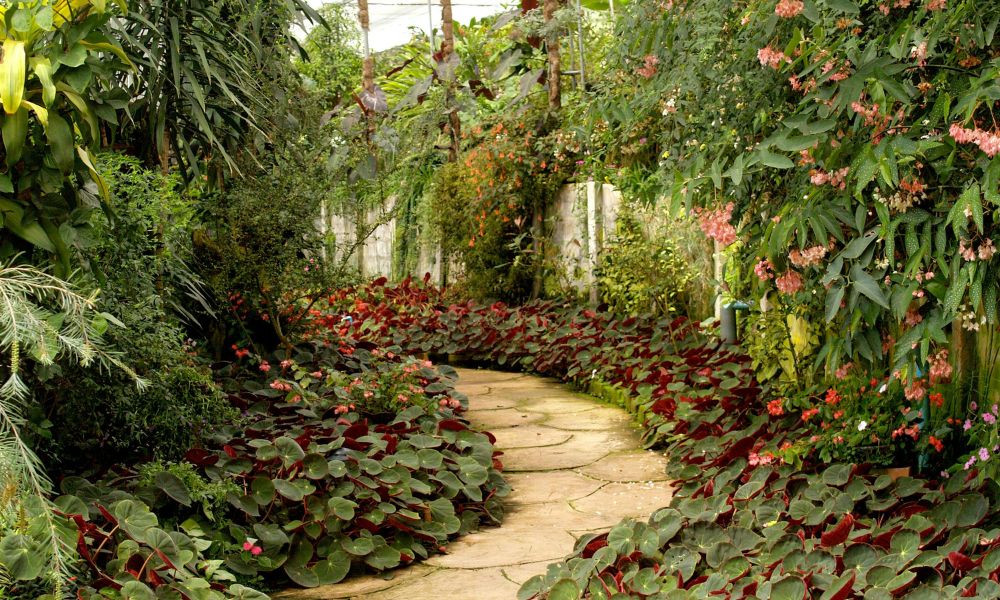
When you only have the initial few plants to learn gardening and planting, Such as Snake Plant, Pothos, Spider Plant, Marigold, and Mint, you can use a method known as Pathway Gardening. I also tried this method when I started with these plants. You can transform your walkways into mediums of communication, aromas, and even colourful gardens. I began by planting Marigolds at the sides of bricks, not only deepening the path but also the natural repelling of pests to the surrounding plants. Mint did well in gravel walks, with its fresh odour each time I passed by–but I must keep it in a narrow bordered or a containered bed, or it would creep out and occupy the place. In the case of small areas or crowded hallways that needed to be covered by some greenery, I used Spider Plant and Pothos that were placed in small pots or hanging pots. Snake Plants were also a good option in shallow containers at the edges of a concrete.
In this arrangement, I learnt that pathway gardening is not just ornamentation; it educates to design the layout of the plants, their development, and even blends both beauty and functionality. You can mix up types of containers, textures, and height of the plants completely, and, therefore, the route is taken by the eye almost subconsciously and seems to be vibrant. Even simple steps become a step and dance adventure in gravel or rubbing through Mint and Spider Plant leaves, so that even with a small number of plants on the ground, you have an experience of being in the garden. On top of this, pathway gardening helps to conserve the vulnerable soil space: vegetation on the sides serves as a barrier to soil compaction so that your novice plants can grow well.
Also Read: Brown Marmorated Stink Bug: How I Made My Plants Safe From This Bug
It is an ideal method to start with. We actually do not have to have a lot of plants, costly systems, or fancy gardening equipment. With the help of the above-discussed simple plants, you can build a beautiful, functional, and interactive garden pathway, one that grows with you, as you gain more confidence in gardening. Below i am sharing a quick guide that will help you to get things quickly.
Quick Setup Guide for Plants in Pathway Gardening
| Best for Plant | Pathway Type / Material | How to Set Up at Home / Buy Online | Ideal Soil / Mix | Benefits of Pathway Gardening | Disadvantages / Caution |
|---|---|---|---|---|---|
| Marigold | We can use stone or brick path edges | Place pavers to define edges, plant seedlings along the pathway | Garden soil + compost + sand | Adds color, natural pest control, defines pathways | Needs regular trimming; flowers may fade seasonally |
| Mint | Gravel or Pebble Paths | Use edging to contain mint, plant in shallow trench along path | Garden soil + compost; keep slightly moist | Aromatic, deters pests, edible, spreads quickly | Aggressive grower; can take over if not contained |
| Spider Plant | Wooden or Raised Plank Paths | Place plants in small pots or planters along pathway | Garden soil + compost | Low maintenance, purifies air, decorative | Small pots may need frequent watering; watch for crowded growth |
| Pothos | Hanging along Pathway or Vertical Trellis | Install trellis or hooks along pathway, use hanging pots | Potting soil + coconut fiber | Saves ground space, decorative, easy to manage | Needs support; frequent trimming to control growth |
| Snake Plant | Edges of Concrete or Patio Paths | Plant in shallow containers along the edge | Well-draining soil (succulent/cactus mix) | Low maintenance, air purifier, hardy | Limited growth space; avoid overwatering |
Also Read: Garden Care From Animals in Villages – My Personal Story
My Final Thoughts
You do not necessarily need to spend a lot of money or make it a complicated process to begin gardening. Plants that are easy to grow, such as Snake Plant, Pothos, Spider Plant, Marigold, and Mint, help to learn the basics of taking care of plants, experiment with simple garden designs, and the pleasure of seeing plants grow. Keep in mind that gardening is a learning process, watching, and trying-there is no need to be afraid of trying DIY projects, reused containers, or innovative designs. It is best to begin small, be consistent, and have fun. A few plants on your balcony, on your windowsill, or in your small backyard can make your space sunny, relieve stress, and help you get in touch with nature. As time passes, you will be able to grow your garden, experiment with different plants, and make it a place that expresses your personality. Gardening is not a hobby, but a journey. Begin now, be patient and celebrate even the smallest of successes since each step you make will lead you to a beautiful, flourishing garden.
Frequently Asked Questions
1. Which Plants Are Best For Beginners?
The easiest plants to start with are Snake Plant, Pothos, Spider Plant, Marigold, and Mint. These plants are the best option to go, as these are are low-maintenance, hardy, and help to learn the basic plant care like watering, sunlight management, and pruning.
2. Can I grow Snake Plant, Pothos, Spider Plant, Marigold and Mint plants indoors?
Yes! Snake Plant, Pothos, and Spider Plant are good for indoors with minimal care, making them perfect for beginners. But Marigold and Mint need a sunny spot and well-drained soil to grow indoors. With the right location and simple care, all these plants can grow in an indoor space and help you learn gardening easily.
3. How do DIY or Recycled Containers Help for Planting as a Beginner?
DIY and recycled containers gardening is highly recommended for beginners. This method makes gardening affordable, creative, and beginner-friendly. Using items like old shoes, jars, bottles, crates, or small buckets helps to learn gardening without spending much money. And, seeing plants grow in one’s own handmade setups makes gardening fun and gives a new confidence, encourage to try new designs and growing multiple plants.