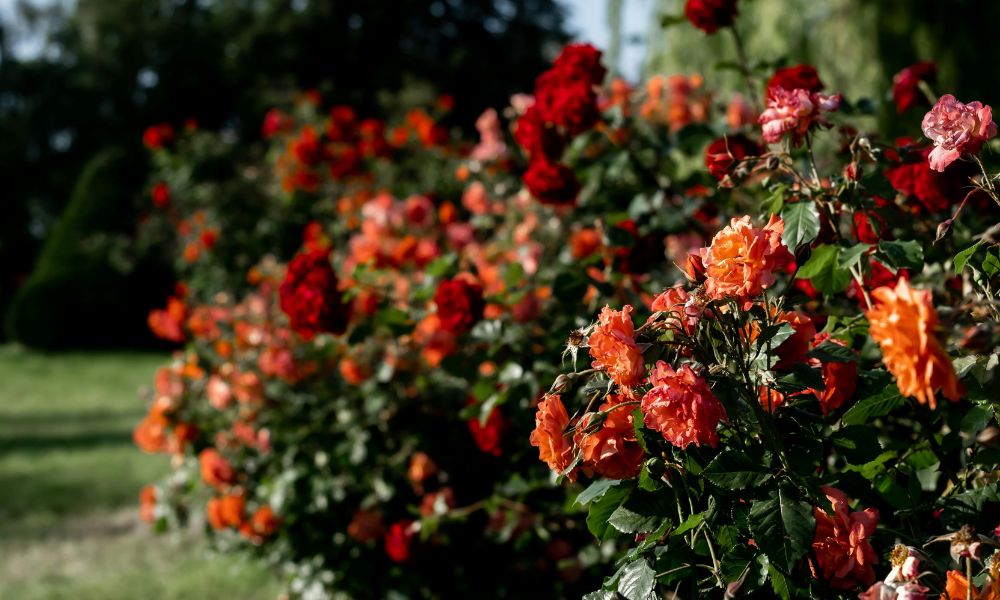
I usually call roses the queen of the garden, but when they are planted alone, they may not create the beautiful layered look many people dream of. The secret to a unique and stunning garden is pairing roses with the right shrubs that enhance their beauty, soil health, and space where we plant them. The right companion shrubs improve colour contrast, fill empty spaces, attract pollinators, and even help protect roses from harmful pests. In this guide, I am sharing the best shrubs to plant with roses that can completely transform an outdoor space into a vibrant and elegant garden.
How was I inspired to Grow Shrubs With Roses?
I was inspired by one of my relatives’ gardens, one day when I was there, I saw some roses with shrubs, and I was completely surprised by how they were beautifying the garden. As per my personal experience, pairing roses with shrubs improves both the beauty and health of your garden. When we choose correctly, shrubs add structure, colour contrast, and ecological benefits that make roses more dynamic and visually appealing. Combining shrubs with roses turns simple beds into dynamic garden scenes that evolve through the seasons. Below is a quick overview of why we should pair roses with shrubs.
- Unique Texture and structure: Evergreens like boxwood add year-round shape.
- Layered blooms: Shrubs such as hydrangeas increase seasonal interest alongside rose blooms.
- Backdrop and contrast: Dark-leaved shrubs make rose colors pop.
- Enhance Wildlife value: Some shrubs attract pollinators and beneficial insects, boosting garden care and health. (I.e. Butterfly, bees)
Also Read: Vibrant Bloom Secrets for the Bougainvillea Plant
My Recommended Top Trending Shrubs Pair With Roses
Although there are many shrubs that exist, few of them can make roses more charming and beautify the space. Below is a list of the best personally recommended shrubs that transform your outdoor space when planted with roses:
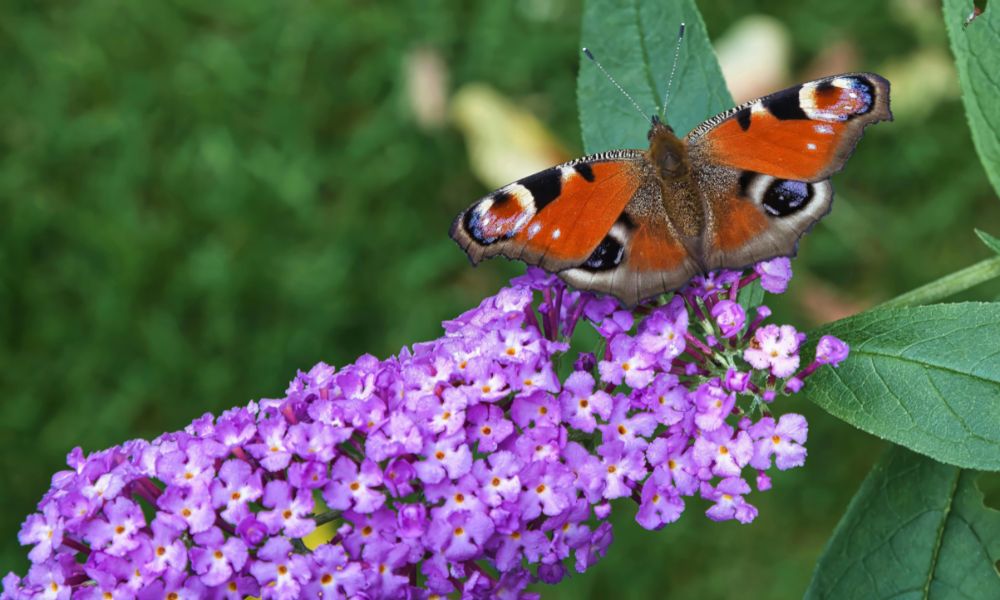
1. Butterfly Bush (Buddleja spp.)
Blooming high on slender stems, the butterfly bush draws bees and butterflies with ease. Rising above lower plants, it pairs well beside roses despite their softer shapes. Instead of fading early, this plant keeps flowering from summer into autumn. While many blossoms dwindle by September, its spiky clusters still stand full. Tall without looking stiff, it adds rhythm to garden beds over months.
- USDA Zones: 5–9
- Exposure: Full sun
- Height/Spread: 6–10 ft tall, 4–6 ft wide
- Bloom Time: Late spring to early fall
- Maintenance Level: Low to moderate
Design Tip: Plant butterfly bush behind or beside roses to frame them and draw in butterflies.
Also Read: My Recommended Best Plants For Beginners With Easy Gardening Ideas
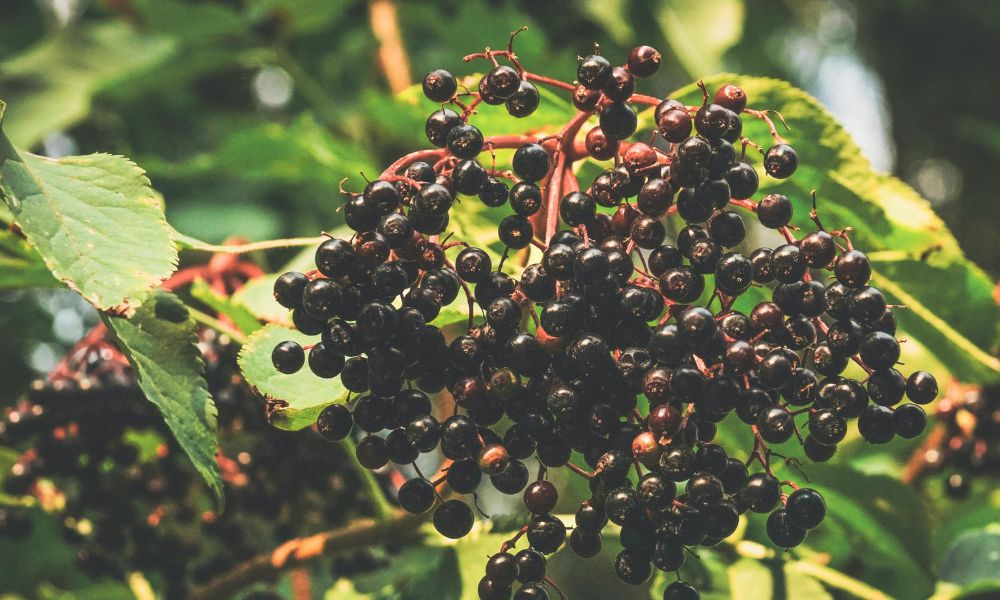
2. Elderberry (Sambucus canadensis)
A burst of tiny white flowers crowns the elderberry each spring, setting off rose gardens with quiet flair. Dark foliage stretches wide, forming layers that catch light differently as days grow longer. When summer warms the soil, clusters shift toward deep purple or near-black fruit, hanging like small ornaments. Even once roses fade, these berries linger, holding autumn close in their color.
- USDA Zones: 3–9
- Exposure: Full sun to partial shade
- Height/Spread: 6–12 ft tall, 6–10 ft wide
- Bloom Time: Late spring to early summer
- Maintenance Level: Moderate
Design Tip: Use elderberry as a contrast element, its colour and texture help emphasize rose blooms, especially brightly coloured varieties.
Also Read: My New Garden Member Chrysanthemums Planting and Care Tips
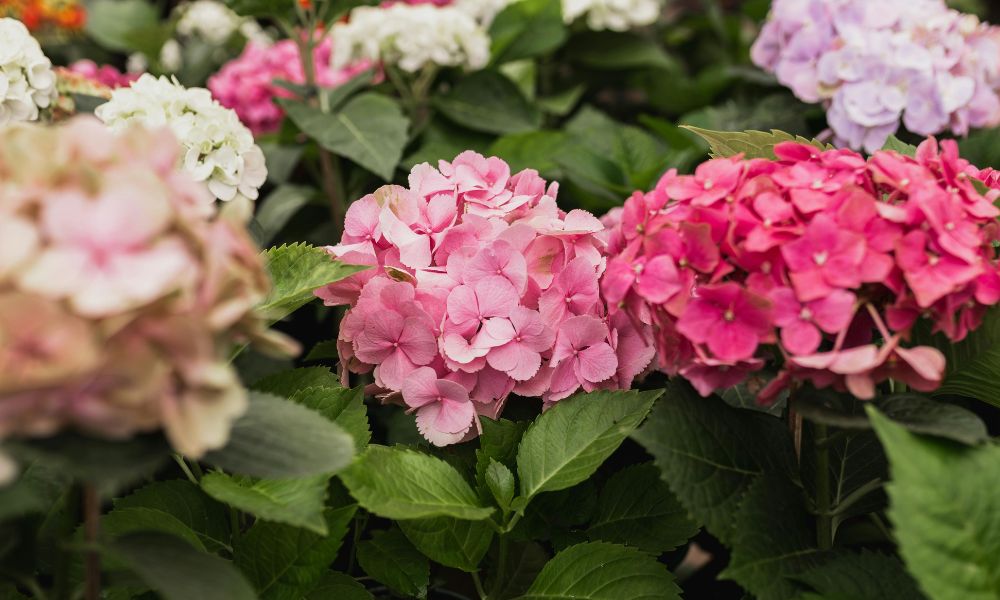
3. Hydrangea (Hydrangea spp.)
Fresh clusters of hydrangea flowers bring bold color beside roses, especially those that climb or grow bushy. Not just pink and blue but also pale white and lilac shades mix easily into rose beds. Where roses settle well, so do these plants – same light, same ground. Caring for both feels simple when they share needs. Blooms open fully where sun touches gently and soil stays steady.
- USDA Zones: 3–9 (varies by variety)
- Exposure: Full sun to partial shade
- Height/Spread: 3–8 ft tall, 3–6 ft wide
- Bloom Time: Late spring through summer
- Maintenance Level: Moderate
Design Tip: Choose compact hydrangea varieties to avoid crowding rose roots, and plant them where they won’t block sunshine.
Also Read: Perennial vs Annual: Know The Key Differences For a Beautiful Garden
4. Boxwood (Buxus spp.)
Out of all the evergreens, boxwood stands quietly strong, shaping spaces without shouting. From spring through winter, its thick foliage holds a rich green glow, steady like a heartbeat. Roses pop brighter against it, their colors sharpened by contrast. While flowers fade elsewhere, this plant keeps holding attention, unbothered by frost or wind. Seasons shift, yet its presence stays firm – neither flashy nor shy, just there, doing its part.

- USDA Zones: 5–9
- Exposure: Full sun to partial shade
- Height/Spread: 2–10 ft tall, 2–8 ft wide (depending on variety)
- Bloom Time: Non-flowering (grown for foliage)
- Maintenance Level: Low
Design Tip: Use low boxwood hedges around rose gardens to define edges or taller boxwoods as pillars and anchors.
Also Read: Rose of Sharon: Personal Tips for Successful Planting and Growing
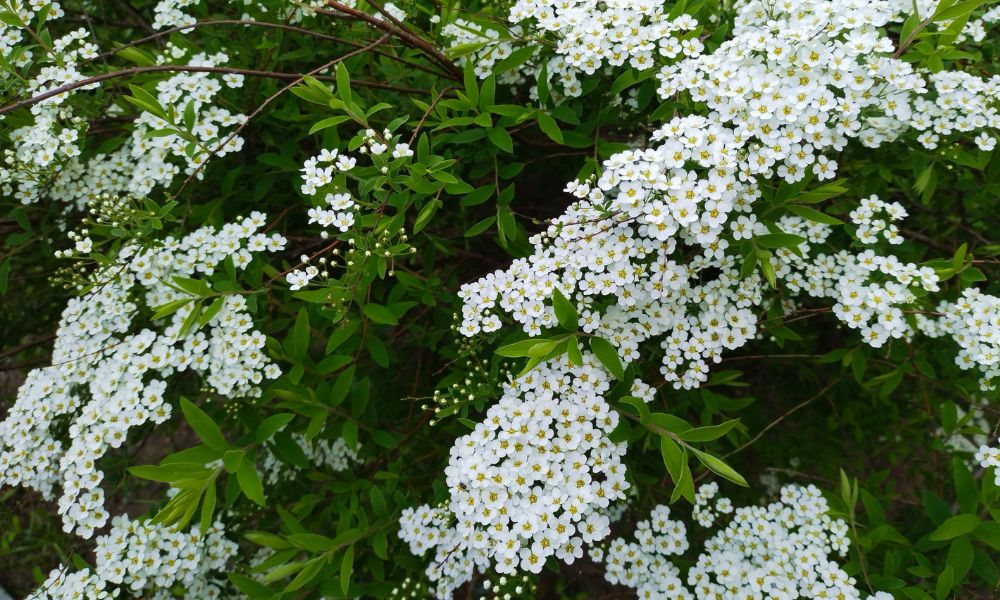
5. Spirea (Spiraea spp.)
Flowers tumble down spirea branches in loose waves, lasting weeks on end in gentle pinks, crisp whites, or warm reds. Roses find quiet company beside these shrubs, their presence softened by airy blossoms drifting nearby. When petals fade, certain types hold fast with leaves turned bright – coppery, golden, or deep burgundy – resting easily among rose stems. Color lingers where green meets bold hue, long after flowering ends.
- USDA Zones: 4–8
- Exposure: Full sun
- Height/Spread: 2–4 ft tall, 2–4 ft wide
- Bloom Time: Spring to early summer (some rebloom)
- Maintenance Level: Low
Design Tip: Plant spirea in groups for a lush, layered appearance that transitions beautifully through spring and summer.
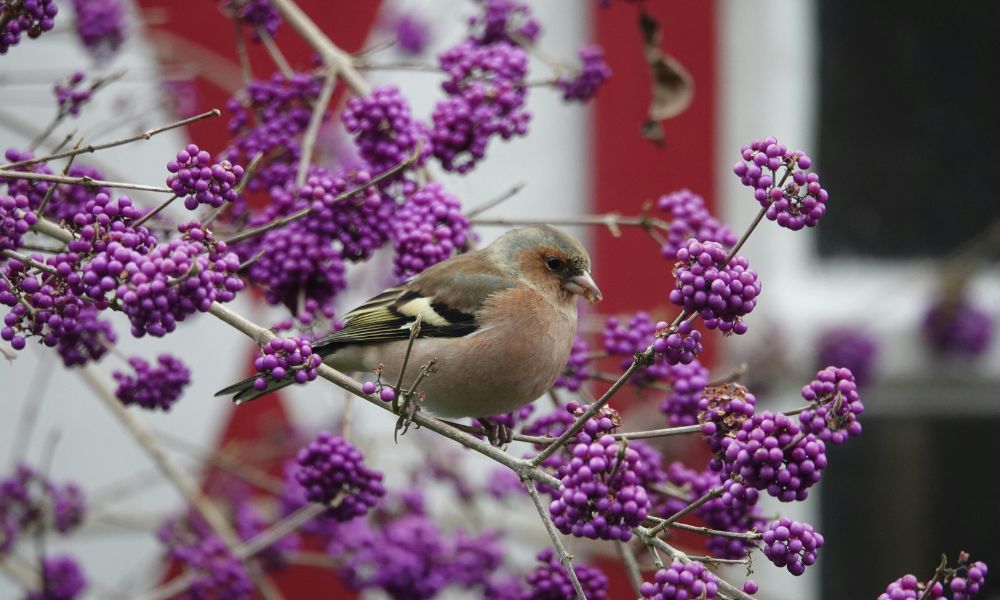
6. American Beautyberry (Callicarpa americana)
This lesser-known American Beautyberry shrub is a real gem, showcasing vibrant purple berries that bring a splash of color even as the season winds down and most roses have already faded. Plus, its lovely lavender-pink flowers in spring help to keep the ornamental display going strong.
- USDA Zones: 6–10
- Exposure: Full sun to partial shade
- Height/Spread: 3–6 ft tall, 3–6 ft wide
- Bloom Time: Late spring to summer
- Maintenance Level: Low
Design Tip: Excellent for naturalistic gardens where seasonal colour and wildlife support are priorities.
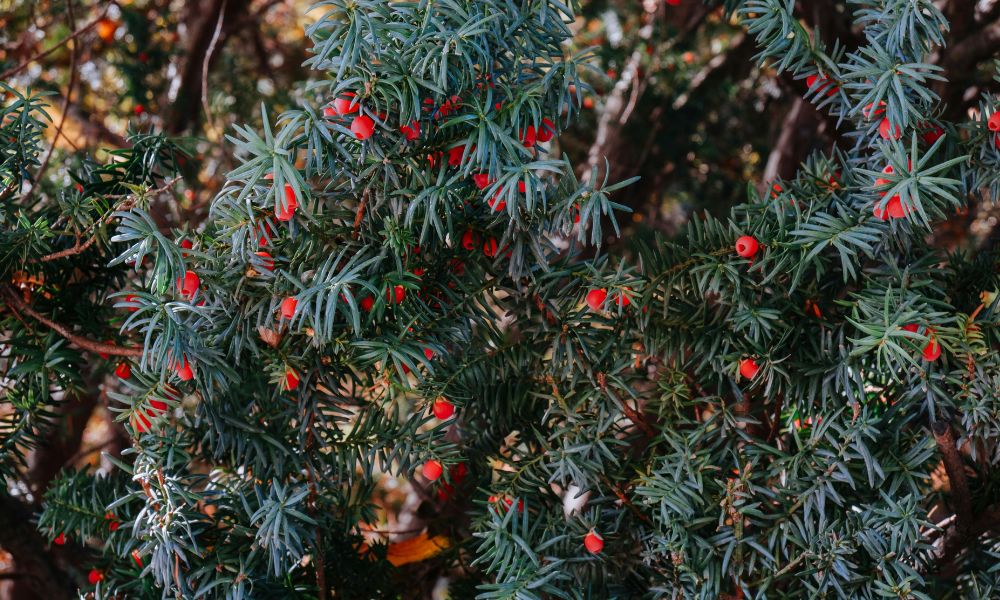
7. Yew Bushes (Taxus spp.)
Thick and rich in color, yews keep their dark green foliage all year round. While roses bring softness, these shrubs stand firm beside them, fitting right into tidy garden designs. A sharp outline from the yew meets the loose sprawl of blooming roses, creating balance without effort. Surprisingly calm together, one rigid, the other flowing – each makes the other noticeable.
- USDA Zones: 4–8
- Exposure: Full sun to full shade
- Height/Spread: 4–20 ft tall, 4–10 ft wide
- Bloom Time: Non-flowering
- Maintenance Level: Low to moderate
Design Tip: While visually strong, be careful with spacing — yews are dense and can overshadow delicate blooms if planted too close.
Also Read: Don’t Buy the Wrong Rose: 5 Smart Ways to Identify Real Rose Plants
Why These Shrubs Have a Perfect Combination With Roses?
Below, I am sharing some quick information on having a perfect combination of these shrubs with roses:
- Similar Sun & Soil Needs: Most thrive in full sun and well-drained soil, just like roses.
- Extended Seasonal Interest: Shrubs bloom before or after roses, keeping gardens colorful longer.
- Improved Garden Structure: Shrubs provide height, background, and definition.
- Low Competition: Proper spacing ensures healthy growth for both plants.
Also Read: Chrysanthemums: Growing, Care and Design Tips
My Observed Ideas to Increase the Beauty Impact
Planting roses with shrubs is not just about aesthetics it is about creating a balanced garden ecosystem. Here are some expert design strategies to transform your space:
1. Layer for Depth
Imagine your garden as a series of vertical layers: start with low-growing roses at the front, then add medium-sized shrubs like hydrangeas and elderberry in the middle, and finish with taller plants like butterfly bushes at the back. This arrangement creates a beautiful sense of depth and movement in your garden.
2. Contrast Colours and Textures
Thick and rich in color, yews keep their dark green foliage all year round. While roses bring softness, these shrubs stand firm beside them, fitting right into tidy garden designs. A sharp outline from the yew meets the loose sprawl of blooming roses, creating balance without effort. Surprisingly calm together, one rigid, the other flowing – each makes the other noticeable.
3. Support Pollinators
Many companion shrubs have a natural knack for attracting bees, butterflies, and other helpful insects. Take the butterfly bush and elderberry, for instance; they’re fantastic choices that not only beautify your garden but also boost its biodiversity.
4. Mind Light and Space
Both roses and most companion shrubs thrive in full sun and well-drained soil. Make sure to leave enough space between your rose bushes and shrubs to promote good air circulation and prevent them from competing for nutrients.
My Final Thoughts
Starting fresh with shrubs and roses does not demand tearing everything out; careful choices matter most. A mix of classic shapes, such as boxwood paired with hydrangea, offers grace without fuss. For something livelier, try beautyberry alongside elderberry – contrast brings energy. Solid framework comes first: pick long-lived shrubs that hold their form year after year. Roses slip in next, weaving in bursts of hue and softness when least expected. Tuck smaller plants around them to stir up surface detail and keep eyes moving. Seasons shift, yet structure stays, layered with moments of surprise. Balance matters more than quantity; each plant earns its spot by doing several things at once. Even in stillness, there is motion – stems arching, leaves shifting, petals falling. Personally, I highly recommend that if you have alone roses plant in your garden, you must try these mentioned shrubs to beautify and give a final touch to your garden.
Frequently Asked Questions
1. What Shrubs Are Perfect With Roses?
Below are some recommended shrubs with roses that are also loved by expert gardeners:
- Lavender
- Boxwood
- Hydrangeas
- Salvia
- Catmint
- Ornamental grasses
2. Are These Shrubs Available Online to Buy?
Yes, some of the shrubs are available online also on some trusted platforms like Amazon and Flipkart.
Buy the shrubs online here:
| Product Name | Product Link |
| Hydrangea bushy shrub, colorful flowering live plant | https://amzn.to/4bKdGZQ |
| Boxwood Buxus (Buxus) 1 Healthy Live Layering Plant | https://amzn.to/4c2wWmD |
| Live Purple Lavender Shrub Aromatic Flower Herb | https://amzn.to/4lKnac6 |