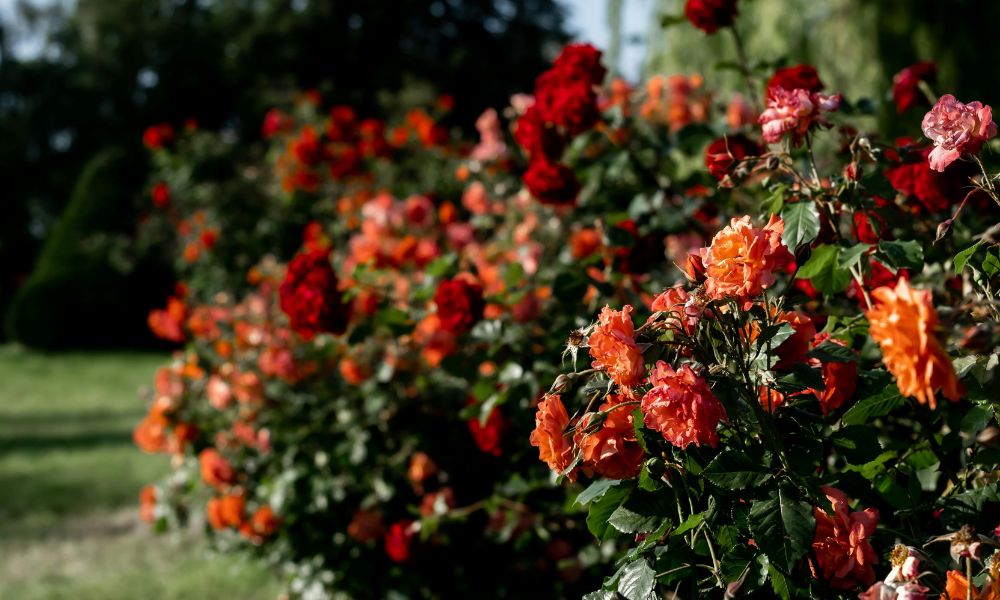
I still remember the exact day when my peaceful little garden turned into a battlefield. It was a warm August morning in 2025. I stepped outside with my coffee, excited to check on my tomato plants in my small veggie garden that was growing so beautifully. I saw some yellow spots, sunken patches, and leaves that looked like they had been punched with tiny needles. Then I spotted those small, shield-shaped brown bugs crawling everywhere. When I gently touched one, it released that awful, musty stink that was on my fingers. That was my first real meeting with the Brown Marmorated Stink Bug. I was a complete beginner at gardening at that time. I just have a 10×10 feet backyard patch in my home where I was growing tomatoes, peppers, and beans.
I thought watering and sunlight were enough. But these bugs showed me that real gardening means learning to fight smartly with such problems. For a few weeks, I tried everything I could think of, made mistakes, wasted some plants, but eventually I found a simple, low-cost system that actually works. Today, my garden stays almost bug-free every season. Below, I am sharing a complete guide about this stink bug, what it actually is, and how I saved my plants from this bug. Let’s walk through everything so your plants can stay safe, too.
What Exactly Is the Brown Marmorated Stink Bug?
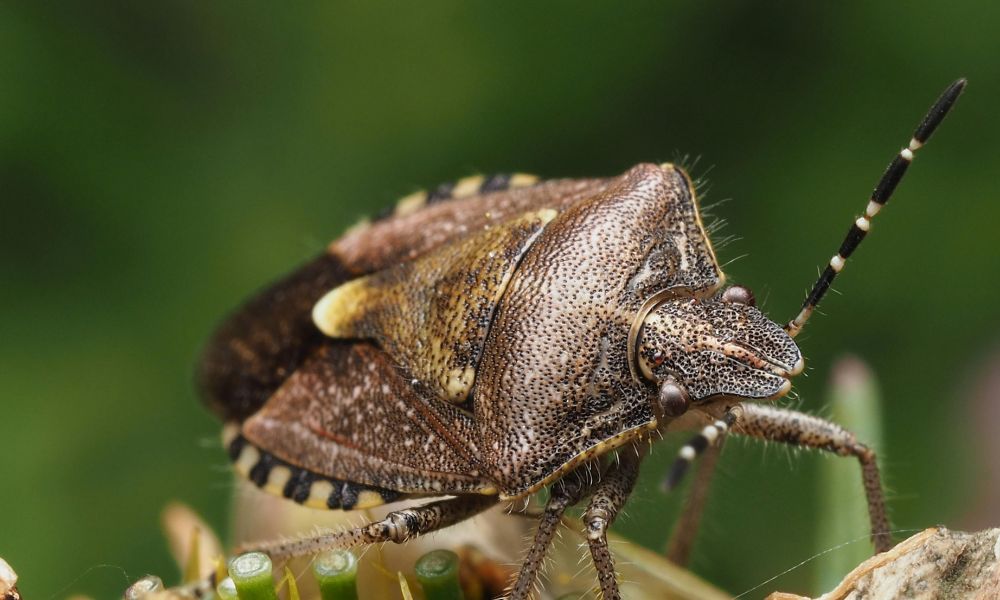
The Brown Marmorated Stink Bug is a harmful insect for plants and vegetables that first came from East Asia. Its scientific name is Halyomorpha halys, but many people simply call it a “stinker.” I also call them stinkers. These bugs are now spread to many countries, including India, and they grow well in warm summer weather. When it comes to their body structure, an adult bug is about 1.5 cm long. It is flat, brown, with white marks on the edges of its body and on its antennae.
This bug shape looks like a small shield or a tiny turtle. They damage plants and vegetables when they feed on them. These buds have a needle-like mouth that they use to pierce fruits and plants and suck the juice inside. Due to this, fruits get hard spots and ugly marks. For example:
- Tomatoes get rough spots called catfacing
- Peppers become deformed
- Beans do not grow properly
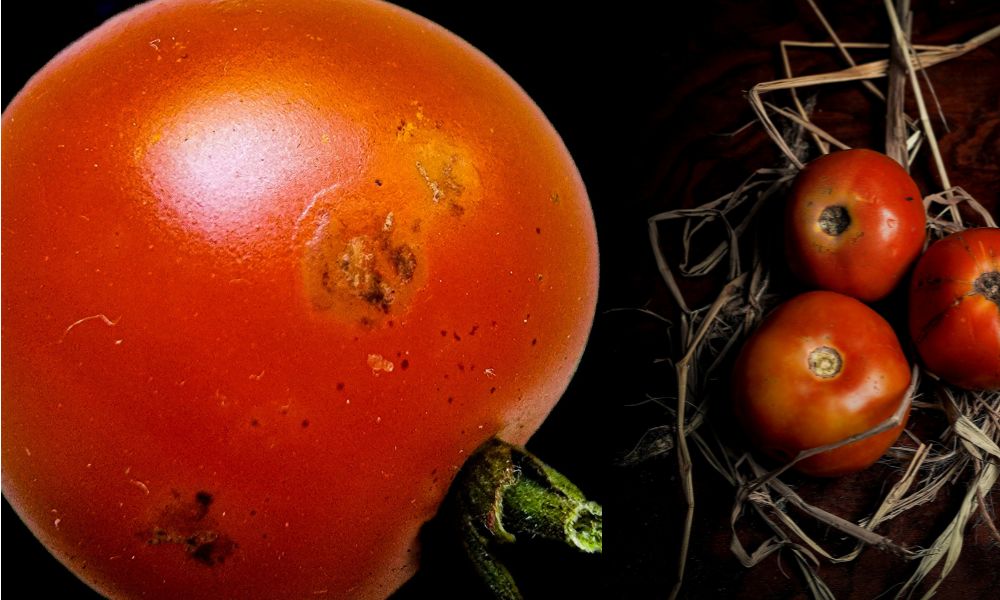
A single bug can also harm many fruits in a single day. They reproduce very quickly, as a female bug lays hundreds of eggs in summer. The baby bugs, generally called nymphs, are also even hungrier than the adults. I observed them and learned after losing half of my first tomato crop, which I was managing in the little corner of my home. Now I know where they usually hide during the day:
- Under leaves
- In unwanted plants or grass
- Inside cracks in garden walls
In my area, they become very active from July to October, which is the same time when most vegetables are ready to harvest. So this is when they can cause the most damage to the garden. A squeeze or a threat makes it let out a sharp, nasty smell on purpose. That reaction is exactly why people call it by that name.
My First Encounter: The Day My Tomatoes Cried for Help
It started with a small problem. I saw a few yellow spots on one or two tomatoes. Initially, I thought it was because of too much sunlight or irregular watering. But after three days, the problem became bigger. Almost every tomato was completely brown and had sunken spots. In the evening, when it started getting dark, I finally saw the bugs. There were not only one but dozens of them on the plants. I was worried and confused and spent the whole evening searching on the internet for solutions. But most advice said to use strong chemical sprays, which I think is not good for the garden when you have some vegetables in it. So that night I decided to solve the problem using some simple things that were already at my home.
The next morning, I started removing the bugs one by one by hand. I had gloves on my hands also to protect them. It felt like there were too many bugs, and the work seemed endless. But by the evening, I noticed that the number of stink bugs had decreased. This gave me hope. During the next 10-12 days, I made a simple routine:
- Removed bugs by hand
- Used homemade sprays
- Planted companion plants
- Added simple barriers to protect the plants
The result was very good. The tomatoes that were left recovered, and new tomatoes grew without damage. My plants actually looked healthier than before the bug attack.
Also Read: Garden Care From Animals in Villages – My Personal Story
Why These Bugs Keep Coming Back – And How to Break the Cycle?
These stink bugs are very hard to control because they can survive the winter. They hide in wall cracks, piles of wood, and sometimes even inside houses during cold months. When spring comes, they wake up very hungry and start attacking young plants and vegetables. In many new places, these bugs have very few natural enemies. Because of this, their population grows very fast. Earlier, I thought cleaning the garden was enough. But I was wrong. Now, at the end of every season, I clean the garden carefully. I remove fallen leaves, old plant stems, and unwanted plants or grass. I learned that removing their hiding places is half the solution to controlling these pests.
My Daily Inspection and Hand-Picking Routine
1. I walk around with a bucket of warm water mixed with a few drops of dish soap.
2. I gently shake each plant in the garden.
3. Any bug that falls goes straight into the soapy water as a result they drown in seconds and are unable to climb out.
4. I avoid squashing them on the plant because the smell attracts more.
This inspection hardly takes 10-15 minutes. After one week the stink bugs reduced by almost 80%. Hand-picking is free, chemical-free, and satisfying once you get used to it.
Homemade Spray Recipe That Actually Works Well
I tried many things, but this simple mix became my secret weapon and highly recommended to get rid of these bugs. Below is how you can make this homemade spray:
- 1 litre of plain water (more water means more quantity)
- 1 tablespoon of mild dish soap (use for utensils, no antibacterial types)
- 1 teaspoon of neem oil (I bought the pure one from the local store, but online stores are also the best options, like Amazon and others.
Buy Online Here :
| Product Name | Product Link |
| Mild Dish Soap | https://amzn.to/4cPdR8y https://amzn.to/4sMTBJk |
| Neem Oil | https://amzn.to/4bckZKX https://amzn.to/4bb3sTo |
Process: Shake water, mild dish soap and neem oil well in a spray bottle and cover both sides of leaves, especially the undersides where stink bugs hide. Spray every 4 days initially then once a week for prevention. The soap dissolves their outer layer so they dry out, and neem makes the plants taste bad to them.
Important Tip: I learned after burning some leaves that I spray in the evening, then rinse the plants with plain water the next morning before getting the sun strong. This homemade spray costs almost nothing and is safe for kids and pets also, And personally also safe for the vegetables.
Companion Planting: A Natural Bodyguards
After the spray, I added some plants that stink bugs really dislike, although spray worked well but it was just for the better security for the plants and vegetables:
- Marigolds (French variety works best) – I plant them all around the vegetable beds. Their strong smell confuses the bugs. Personally, the French variety works better.
- Basil – I used pots of basil between tomatoes. The smell keeps stinkers away.
- Garlic and onions – I grow them in borders. Bugs hate the sulphur smell, and garlic and onion are the best options for the natural sulphur.

Companion planting is like having free security guards in the garden. I bought them from my local nursery. If you are also facing problems and fed up with these stink bugs, you can buy these companion plants online also.
Buy Online Here:
| Product Name | Product Link |
| French Marigolds | https://amzn.to/4sizSkU https://amzn.to/4lEwa2E |
| Basil Plant | https://amzn.to/4sizWRG |
| Onion Plant Seeds | https://amzn.to/415Q5Of |
Also Read: Vibrant Bloom Secrets for the Bougainvillea Plant
Physical Barriers That Stop New Bugs from Arriving
Stink bugs generally fly in from neighbouring areas, so I usually use:
- Old mosquito netting.
- Fine row covers draped over plants in late afternoon. I remove them in the morning for bees to pollinate daily.
- I keep the garden edges trimmed so bugs can’t hide in tall grass. I personally recommend cleaning the garden in every 3-4 days.
These barriers are available at very low cost such as plant covers, net ,but you can also reuse old curtains.
| Product Name | Product Link |
| Mosquito Bug Insect Bird Net Barrier Hunting Blind Garden Netting For Protect Your Plant Fruits Flower | https://amzn.to/4bmZZjm |
Also Read: Best Plants For Beginners and Easy Gardening Ideas
My Mistakes While Getting Rid Of Stink Bugs
I made many mistakes while trying to control the bugs. Once I sprayed too much soap in strong sunlight, and as a result, some leaves got burnt. Another time, I waited too long, and I lost a whole row of beans. But consistency was my biggest lesson. Doing a little work every day is much better than doing one big effort once a month, because if you really love your plants and vegetables in the garden and do not want to lose them, then just keep calm, observe the issue, work on the solution, make easy-to-follow plans, and take action to get rid of the issue.
After following my routine for three weeks, the new damage stopped completely. My tomatoes had no spots at all. In the 2026 season, I started using the same methods. Because of that, there are no harmful bugs in my garden. My harvest was more as compared to the first year when the bugs caused a lot of damage.
Also Read: Perennial vs Annual: Know The Key Differences For a Beautiful Garden
My Final Thoughts About Winning This Battle Against Brown Stink Bugs
Dealing with Brown Marmorated Stink Bugs taught me that gardening is not only about growing plants. It is also about observing carefully and working with nature. Now I don’t worry about summer anymore because I have a simple plan that costs almost nothing and uses things already available at home. If you are reading this and your plants are being attacked right now, start today.
- Pick a few bugs by hand
- Prepare one homemade spray bottle (water+mild dish soap+neemoil)
- Plant one or two marigold plants
- Start using the cover and netting for the plants at night
In one week, improvement will be in front of you. In one month, you may see healthy vegetables again. Happy gardening, and may your vegetables and plants in the garden always stay healthy like my tomato plants.
Frequently Asked Questions
1.How do brown marmorated stink bugs harm plants?
Brown marmorated stink bugs pierce plant tissues and suck juices from fruits, leaves, and stems, which at last cause of getting spots, deformities, and poor crop quality of plants, fruits and vegetables.
2. What is the best way to prevent stink bugs in the garden?
The best ways to prevent stink bugs are:
- Regular inspection
- Using row covers
- Planting trap crops, and
- Apply organic insecticides
3. What If I touch a Brown marmorated stink bugs?
If you touch a Stink Bug, it usually does not harm. It releases a strong, unpleasant smell as a defence. You can wash your hands with soap and water afterward and it is recommended to get rid of the bad smell.