When I first started planning my garden, I got confused between perennials and annuals. I did not know what they were. At first, they all looked like flowering plants. Perennials and annuals grow differently and change your garden over time. Learning this difference can completely change how you design and maintain your garden. Perennials and annuals both help create a garden. Some plants bloom for one season and add instant color. Perennials come back year after year. Build your garden’s structure. Knowing how perennials and annuals work together helps you create a garden that stays colorful and lively.
In this guide, I will explain the differences between perennial and annual plants. I will also discuss their benefits. Choosing the mix of perennials and annuals can help design a beautiful garden. A garden, with perennials and annuals, can thrive over time.
What Are Annuals?
As per my observation and experience, their identity is completely hidden in their names. Generally, annuals are plants that complete their whole life cycle in one year or one growing season( From planting to till die). We can easily grow them from seed, produce flowers and seeds, and then die within the same year. For annuals One growing season is all it takes to sprout, bloom, make seeds, then die. When cold weather hits, they vanish completely – no return without fresh planting. Though short-lived, these plants pack full growth into just months. Without new seeds or transplants, next spring won’t bring them back on its own.
Annuals are beloved for reasons:
- Vibrant Blooms: Few plants bloom as much or last as long, their bright flowers appearing again and again across months.
- Instant Impact: Blooming fast, annuals outpace many perennials when it comes to showing full flowers. These plants deliver bright garden hues right away
- Flexibility: Each time the flowers fade, a fresh layout takes shape – seasons shift, so do the colors. New patterns rise where old ones sleep.
Year after year, gardeners reach for favorites like zinnias, petunias, marigolds, or impatiens. Color hits hard when these bloom, bringing short-lived but vivid change. Trying something new never feels risky because next season offers another chance to switch things up.
Also Read: Garden Care From Animals in Villages – My Personal Story
What Are Perennials?
Perennials are the plants that we can grow spring by spring, then they return – perennials lasting beyond two years, tough enough to make it through cold seasons. Instead of starting fresh each year, these plants stick around, shaping how you plan the space over time.
Perennials are beloved for reasons:
- Longevity: Year after year, perennials show up again on their own. Though some stick around only briefly, a few can push through for many seasons. A handful fade fast, yet others stand strong much longer.
- Seasonal Bloom Cycles: Some perennials flower only in spring, others wait till summer or autumn instead of going nonstop year after year.
- Root Regrowth: Frozen tops vanish when cold hits, yet life holds on below ground. Come warmer days, green shoots push up again from hidden roots.
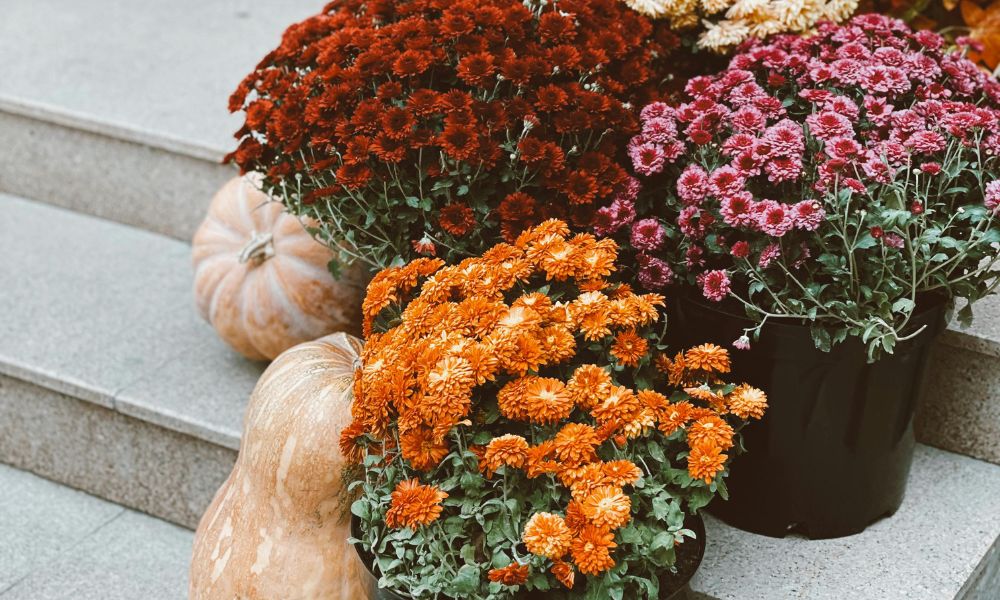
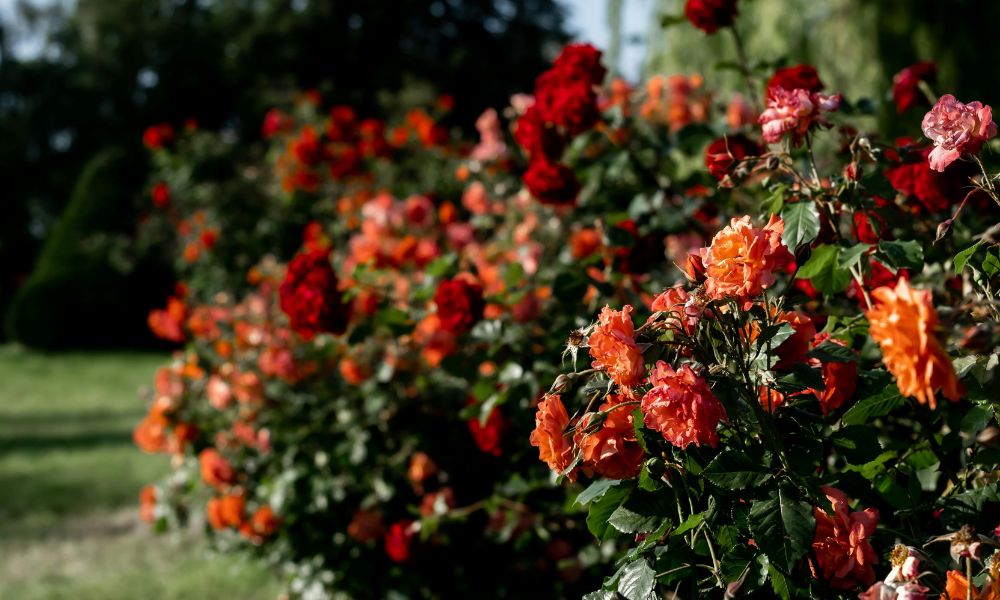
Examples of perennials include peonies, hostas, lavender, MUMS, coneflower, and many ornamental grasses and there are some combinations also like shrubs with roses. These plants form the backbone of a garden, providing structure, texture, and recurring beauty for years.
Also Read: Top 5 Roses For Your Beautiful Garden
Perennial vs Annual: A Side-by-Side Comparison
To understand perennial vs annual more clearly, here’s a quick comparison:
| Feature | Annuals Plants | Perennials Plants |
| Lifespan | One Growing Season | Multiple/Years |
| Bloom Time | Often longer, continuous blooms | Typically shorter, seasonal bursts |
| Planting Frequency | Replant every year | Plant once, return annually |
| Garden Design Role | Adds color, fills gaps | Creates structure, long-term backdrop |
| Maintenance | Usually lower early but replant yearly | Often lower over time |
| Cost | Higher (repeat purchases) | Lower (returns each year) |
Which Should Choose? Perennial vs Annual
When I started planting them, then as the time passed i observed a lot of things, one is as per experience and observation that Annual plants are a perfect choice if you want quick, rapid growth and bright flowers in one season. Because they complete their life cycle in a single year, most gardeners plant them again every year to keep the garden colorful and fresh.
In the case of Perennial plants, they are better for long-term gardening as they live for many years and grow back again in every season. They generally require less replanting and can make a garden look full and stable over time.
Eventually, it depends on your choice how you want to manage your garden or plants. Below I am sharing quick look information on when to choose Annuals and Perennial Plants
When to Pick Annual Plants?
Annuals are perfect when:
- Instant color plus drama? Think flower beds, think pots. Containers bring bold shades fast. Beds fill up quick with lively tones. Brighten spaces without delay. Watch how hues take hold right away.
- You enjoy changing your garden design every year.
- You need to fill in bare spots or provide continuous blooms over many months.
Year after year, gardeners chasing bright blooms reach for plants that last just one season. Those eager for fresh looks often pick short-lived varieties bursting with color. Change lovers find joy in swapping out floral displays regularly. Brightness seekers tend to favor quick-growing types each spring. Seasonal replanting brings new energy to outdoor spaces again and again.
Also Read: Vibrant Bloom Secrets for the Bougainvillea Plant
When to Choose Perennials?
Perennials plants are the best option when you want:
- A garden changes little by little, showing its rhythm each season. Year on year it stands, shaped by time rather than haste. Slow growth marks its presence, steady without demand. It settles into place, not forced, just unfolding.
- Over time, some plants adapt to need less care. Tougher conditions slowly make them hardier. These types grow better with minimal attention. Resilience builds naturally through seasons. Care routines fade as strength increases. With each year, demands shrink. Survival skills sharpen on their own
- Even when dormant, it holds shape across months. Through rain or frost, layers remain clear. Seasons pass yet volume stays present. Not flowering does not mean flatness returns. Form persists beyond petals falling
Yearly, these plants come back stronger. Their presence builds richness over time instead of fading fast. Rooted deeply, they shape the space with less need for replanting. Each season adds depth, slowly turning soil into story.
Buying Annuals and Perennials Plant
When I was looking to buy the annual and perennial plants, I decided to buy them from the amazon, as I am from a village, so it was a little difficult to get these plants from the local nursery in my area. Below, I am sharing the product links, which can help you buy these plants easily from Amazon:
| Product Name | Product Link |
| White Torenia Fournieri Live Plant (PACK OF 1) Annual Flowering Plant for Outdoor Garden, | https://amzn.to/4usCNsH |
| Orange COSMOS (PACK OF 1) Annual Garden Plants, Bright Double Blooms | https://amzn.to/4uyF0TG |
| Salvia Blue and Purple Bell Perennial Flowers seeds, pack of 100 plus | https://amzn.to/3P0qEv1 |
| Live Sunflower Plant in Black Pot, Garden Ready Annual Flower | https://amzn.to/40vdqZC |
Why Mixing Them Is the Best Garden Design Idea?
Starting fresh each season, annuals bring bright color that lasts through summer. On the side, perennials stick around, shaping the garden over time without needing replanting. Some seasoned growers mix both types for balance. Instead of picking just one, they let short-lived plants patch spaces until longer-lasting ones mature. Using both types allows:
- Season-long color
- Bloom cycles overlap less when a single plant finishes flowering
- Design flexibility with long-term stability
A single clump of high-standing perennials beside low-growing seasonal blossoms adds levels to a garden scene while drawing in bees and butterflies. Tall plants reach up, short ones spread out – different layers doing different jobs under the sun.
My Final Thoughts
Truth is, knowing the difference between perennials and annual plants shapes how your garden grows. Depending on where you live, what you look like, or how much time you give it, one type might suit you better. Some go for fast color each spring, others want steady growth that returns without replanting. Mixing them? That often works best. What matters most shows up over seasons, not just weeks. Growing things takes patience more than plans.

My mission is to help people live healthier, greener, and more organized lives using simple and affordable methods for their home and garden.
- Big Ideas For Small Yards: How I Make a Tiny Outdoor Space Actually Work - March 19, 2026
- Don’t Buy the Wrong Rose: 5 Smart Ways to Identify Real Rose Plants - March 14, 2026
- 8 Curb Appeal Ideas I Personally Recommend for Homes in 2026 - March 11, 2026