
Found near each other on store shelves, shallots and onions might look alike at first sight, yet they are quite different underneath. One grows in clusters like garlic, while the other forms single bulbs underground. Taste-wise, one delivers a mild sweetness with hints of garlic, the other hits sharp and strong right away.
Their colours vary too, ranging from pale gold to deep red depending on type. When cooked, one melts into soft layers that blend easily, whereas the second holds its shape longer under heat. Nutrient profiles differ slightly, some favouring antioxidants more than others. In sauces or salads, chefs pick one for subtlety, the opposite when boldness works better. Even how they reproduce sets them apart – some rely on seeds, others multiply through division.
Peeling back the details reveals just how unique each truly is despite seeming twins at market displays.
What Is Shallot?
A little onion called a shallot fits into the allium group, sharing roots with garlic, leeks, scallions, yet standing apart through subtle traits. Though labeled Allium cepa by science, its form leans toward the Aggregatum cluster rather than typical onions. Once seen as its own kind – named Allium ascalonicum – it now finds home under the broader onion umbrella. Distinct in flavor and structure, it holds identity without needing separation.
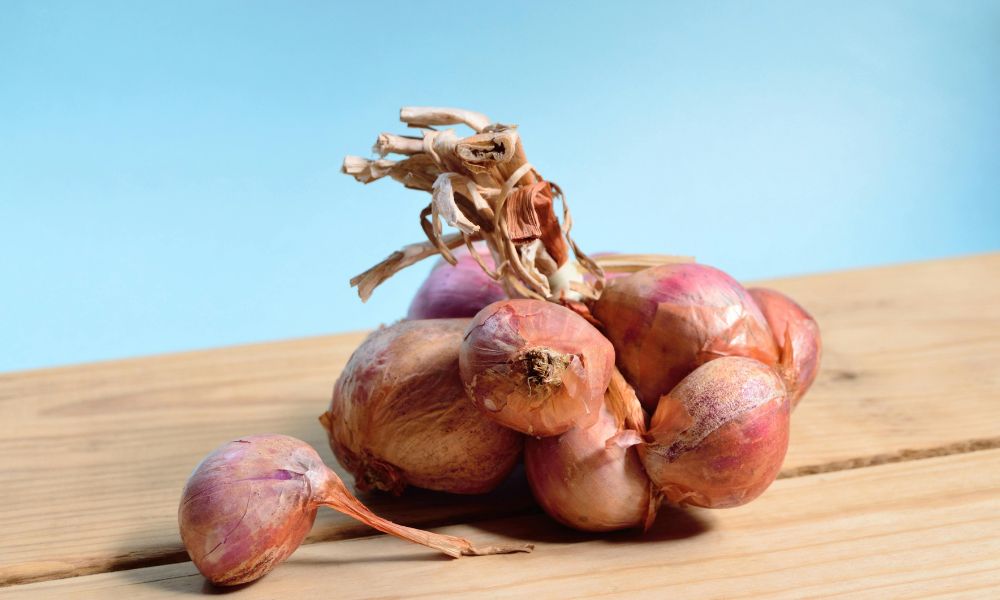
Not one big chunk like an onion, a shallot tends to grow in small groups joined at the bottom – like garlic pieces bundled up. Coppery-pink, light brown, or even pale grey covers the outside. Inside, the meat shows soft purple tones or just clean white.
Onion: A Quick Overview
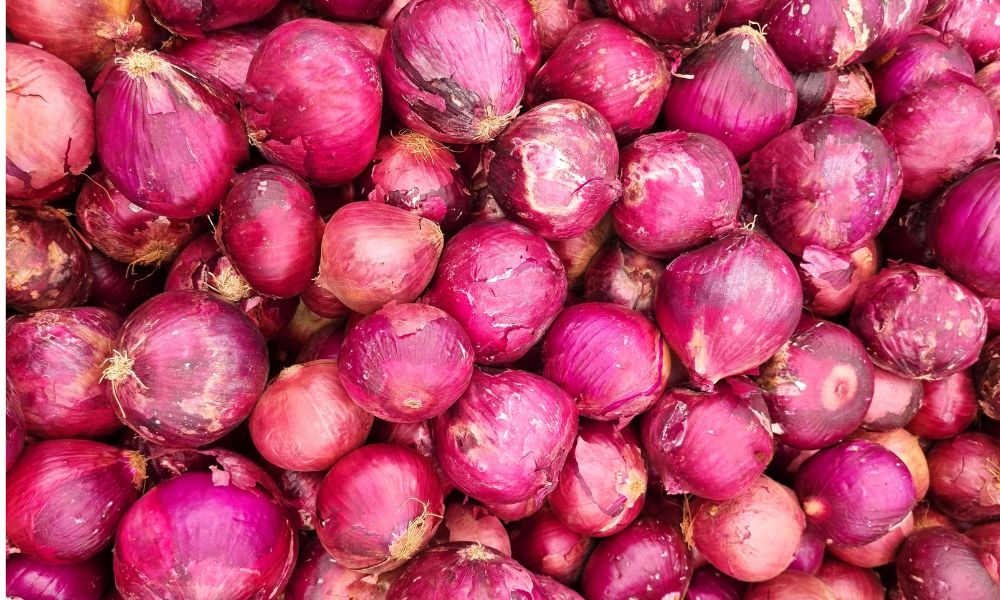
One kind of round vegetable called onion comes from a plant known as Allium cepa var. cepa, often seen in cooking spaces across the globe. Different versions exist – yellow ones, white ones, reddish tones, even milder kinds that taste less sharp. Inside, it forms layer after layer like circles stacked together, not split into separate pieces grouped tightly.
Visual And Structural Variations
Shape and Size:
- Little onion-like plants grow longer than wide, often bunched together in groups underground.
- Bulky in size, onions tend to be rounder, their insides built like stacked sheets. Layer by layer they unfold, forming a shape close to a ball.
Internal Texture:
Peeling back a shallot reveals little pieces tucked inside, much like what hides under garlic skin. Rings come loose when an onion sheds its layers instead.
Taste And Flavor Overview
Flavor sets shallots apart from onions more than anything else
- Faint traces of garlic come through, particularly in raw form. A gentler flavor shows up when you swap them for onions – sweeter, less sharp.
- Fresh onions often hit harder on the taste front – crisp, bold, almost biting if uncooked.
When subtlety matters, many choose shallots instead of onions. These work well in vinaigrettes, dressings, light sauces, or salads eaten cold. Regular onions might dominate such uses. Yet they come alive when used in robust meals – think soups, stews, or things gently fried.
Nutritional Comparison
What many overlook is how both shallots bring nutrients to the plate, while onions quietly boost a meal’s worth. A closer look shows they do more than just sharpen taste – they slide extra goodness into everyday dishes.
Calories and Macronutrients:
- Besides being a bit richer in calories, shallots pack more protein and fiber than onions when measured at 100 grams. One might notice the difference shows up clearly in nutritional comparisons.
- Fewer calories hide inside onions, yet they often carry more water than you might think. Still, their light footprint on the plate doesn’t shout about nutrition – just sits there, quiet, moist, unbothered.
Vitamins & Minerals:
What gives shallots their edge is a stronger dose of vitamin B6, along with more iron, copper, manganese, folate, and certain antioxidants. Onions, on the other hand, bring solid amounts of vitamin C into the mix, plus helpful plant compounds such as quercetin.
Antioxidants:
Starting strong, these ingredients pack a punch with antioxidants plus sulfur-based substances that support immunity and calm inflammation. Not far behind, certain antioxidant types in shallots might also play a role in better heart outcomes and lower chances of illness.
Culinary Uses How and When to Use?
Shallots
Not too sharp, not too strong – shallots slip into recipes like a quiet note that lifts everything around it. Their softness works well where bold onions might shout instead of blend
- Salad dressings and vinaigrettes
- Sauces, pan sauces, and beurre blanc
- Caramelized toppings for vegetables or meats
- Pickled, they hold a sharp bite. Roasted, warmth brings out sweetness. Sautéed just enough, their texture stays firm
Beyond their mild bite, shallots soften fast when heated. While cooking, they melt into sauces without leaving chunks behind. Because of this, flavors mix better compared to sharper onion types. Their subtlety lets other ingredients shine through easily.
Onions
Onions are more versatile in everyday cooking and are ideal for:
- Base flavour in soups, stews, and curries
- Grilled or roasted vegetable medleys
- Grilled cheese takes a backseat when salsa hits the table – crisp chunks sit aside beef patties. Fresh tomato cubes wait near open-faced toast. Layers of flavour stand quietly between buns or outside them
- Caramelized onion toppings
Red ones? Best when left uncooked. Cooking suits yellows just fine. Sweet varieties bring mild flavour into plenty of meals.
Can You Use an Shallot Instead of a Onion—And Vice Versa?
Sure thing – swap shallots for onions if needed, though a tweak helps. Onions bring sharper punch where shallots stay mild. Size matters less than flavour balance. Try half an onion per whole shallot. The switch works both ways, just mind the strength. Cooking softens the difference some. Raw uses show gaps more clearly
- Start with extra shallots since their flavour hits softer than onions. A handful more brings balance when swapping one for the other. Taste leans gentle, so quantity steps up quietly. More volume makes up ground without sharp edges. Mildness spreads thin, needing numbers to catch up. Swap them in bulkier amounts to stay even.
- Beware of the bite – onion hits harder than shallot, so go light when swapping them in salads or uncooked mixes. A smaller amount keeps flavours balanced instead of letting sharpness take over. Raw uses need extra caution since there is no cooking to mellow the punch. Less always works better here, particularly when heat stays out of the picture. The goal? Let every ingredient speak, not just one loud note.
A single medium onion might easily become just three or four little shallots, especially if the meal leans mild. Taste guides how much to toss in – some like it sharp, others soft. The finish depends on what feels right in that moment.
Conclusion
Even though shallots and onions belong to the same family, swapping one for another does not always work. What sets shallots apart is a mild sweetness, layered depth, plus an understated scent – perfect when finesse matters. Onions bring boldness instead; think deep taste, wide use, along with a hearty punch found at the core of countless stews and sautés.
What sets them apart – taste, nutrients, ways to cook – shapes better meals without guesswork. Picking the right one changes how food turns out, quietly improving what you make night after night.