One day, I was exploring the backyard of my house, as I have a small space at the backside of my house. A few months ago, there was nothing to see more than dry soil and silence in the space. It had only a few plants, such as roses, bougainvillea, rose of Sharon, and a few vegetable plants as well. I was planning to add some trees to this backyard space and convert this small space into a tree garden. One day, I planted some trees without expecting much. And slowly, those small trees started growing, birds started visiting, and the air felt fresher. Today, it is not just a garden, it is a place where nature breathes, mornings feel calmer, and every tree has a story. In this guide, I am sharing everything about how I turned my backyard space into a perfect tree garden, what I they learnt about creating, maintaining, and truly benefiting from a tree garden, so if somebody is also planning to convert such a space into a tree garden, they can also build their own green space too.
What Is Actually a Tree Garden?
Generally, a tree garden is a planned green space where we plant and grow different types of trees with a clear purpose. It is not just about planting trees randomly; for a tree garden, we place every tree carefully by considering things like soil quality, sunlight, spacing, and how big the tree will grow in the future. This type of proper planning helps the garden stay healthy, balanced, and useful for many years. Some people build small tree gardens in their backyard to enjoy shade and fresh air at home, as I also did the same. Others create orchard-style gardens to grow fruits like mango, guava, or lemon. There are also decorative tree gardens designed to improve the beauty of a place with flowering or ornamental trees. In many areas, community or public tree gardens are developed to provide green spaces for everyone. Although there are many types of trees surrounding us, I selected only 3 types of trees for my garden.
Also Read: Best Plants For Beginners and Easy Gardening Ideas
Types Of Tree Garden
We can see different types of tree gardens around us. Let’s take a quick look at them:
| Tree Garden Type | Purpose | Best For What | Special Benefits |
|---|---|---|---|
| Urban Tree Garden | Trees planted in cities like roadsides, parks, or societies | 1. City areas 2. Apartments | 1. Reduces pollution 2. Reduces heat |
| Eco-Friendly Garden | A garden designed to support nature and wildlife | 1. Nature lovers 2. Open spaces | 1. Attracts birds, bees, and butterflies |
| Meditation Tree Garden | Create a peaceful space with trees for relaxation and calmness | 1. Homes 2. Resorts 3. Spiritual places | 1. Helps reduce stress 2. Improve focus |
| Windbreak Tree Garden | Trees planted in lines and helps to block strong winds | 1. Farms 2. Open lands | 1. Protects crops 2. Avoid soil damage |
| Rain Garden (Tree-Based) | Trees planted to absorb rainwater and prevent flooding | 1. Low-lying 2. Waterlogged areas | 1. Improves water management |
| Native Tree Garden | Trees that naturally grow in your region | Any space | 1. Easy to maintain, needs less water |
| Educational Tree Garden | Tree Garden used to teach about plants and environment structure | 1. Schools 2. Colleges | 1. Best for learning and awareness |
| Wildlife Tree Garden | Trees planted to support animals and birds | 1. Large open areas | 1. Creates natural habitat for wildlife 2. Helps to save some bird and animal |
Trees I Planted in My Backyard Empty Space
When I started planning my backyard tree garden, I did not just pick trees randomly. I selected them according to the size of my yard, the weather conditions, and my actual needs. I chose trees, some for shade purposes, some for enhancing beauty, and a few for daily use. As the backyard has limited space and good sunlight, I mainly focused on trees that were easy to maintain and grow well in such conditions. If you are also planning for a tree garden, your selection can be completely different. You might have more space, different soil, or a different purpose like decoration, privacy, or environmental benefits. So instead of copying the exact trees that I chose for my backyard space, I recommend first trying to observe your own space, then look at sunlight, soil type, and how much time you can give for maintenance. Once you get these basics, choosing the right trees becomes much easier and more effective.
In the end, personally, a successful tree garden is not about planting more trees; it’s about planting the right trees in the right place. Below, I am sharing the trees that I picked for my backyard for the small tree garden:
1. Fruit Trees:
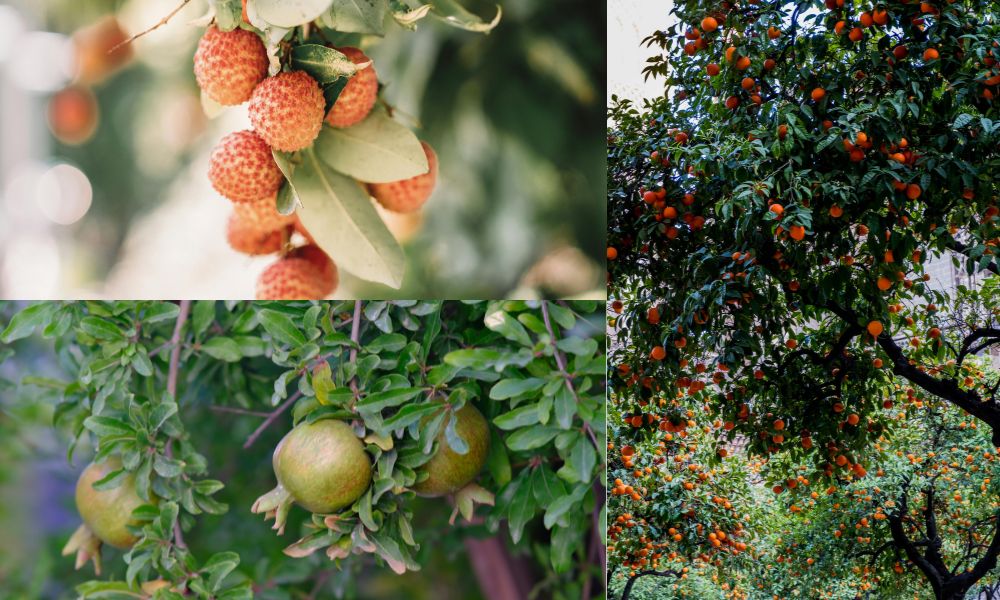
I planted a few fruit trees in my backyard because they are very useful for daily life. Growing fruits at home feels fresh, healthy, and more natural compared to buying from the market. It also helps save money over time, especially when the trees start giving fruits regularly, and personally, it gives another level of satisfaction. As my backyard space is limited, I added trees that do not need too much space and are easy to maintain. I also learnt about caring for them and observed that they can grow well in good sunlight and do not require too much care. This was easier for me to manage without putting too much effort.
Over time, these fruit trees have not only started giving fresh and organic fruits but also made my garden look greener and more lively. It feels really satisfying to step outside and pick fruits directly from your own trees.
Fruit Trees I Planted
- Guava
- Mango
- Lemon
My Recommendations For Maintaining These Fruit Trees
- Water them regularly, but not too much, Overwatering can damage them
- Add organic compost or natural fertilizer time to time
- Make sure they get enough sunlight, They grow much better in the open and if getting the direct sunlight
- Trim dry or extra branches when needed, It generally open the door for new branched to grow
- Keep checking for pests and use natural solutions if required
Also Read: Chrysanthemums: Growing, Care and Design Tips
Benefits I Got from These Fruit Trees
- Gives Fresh organic and healthy fruits at home without exploring the market
- Saved my money on buying fruits
- Garden looks more green and beautiful in the backyard
- It feels relaxing to spend time around them, especially in the afternoon
- Helps improve air quality around my home
- They helped me to see some new birds in the backyard
Also Read: What Shrubs With Roses Plant Perfect For Transforming Your Space?
2. Shade Tree
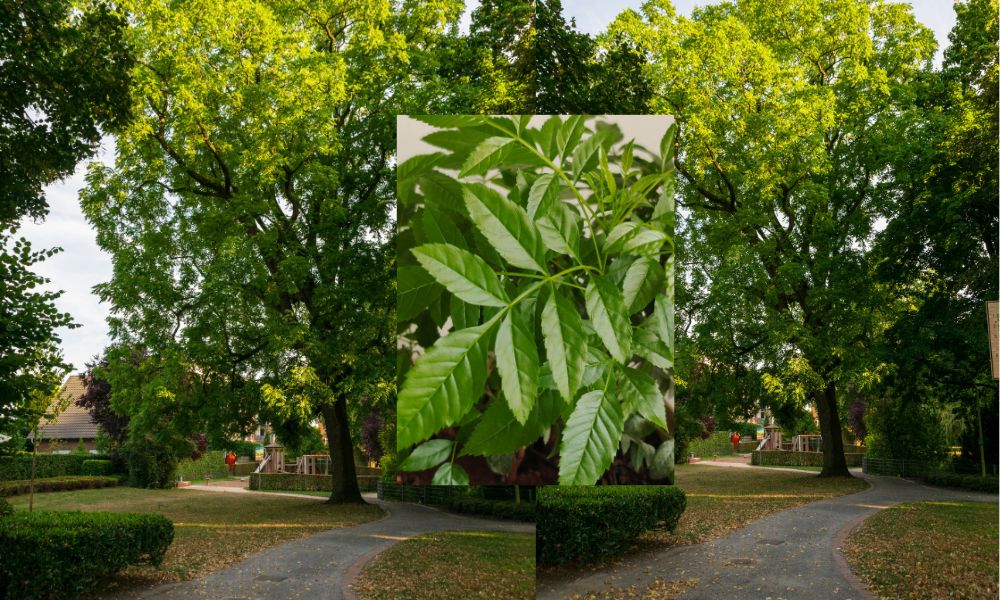
Shade trees were also a good choice for me to plant in the backyard. I planted only a single shade tree in my backyard to make the space more comfortable, especially during hot days. As my backyard gets a lot of sunlight, adding it was important to balance the heat. And sitting under a tree feels much cooler and more relaxing compared to an open space in a hot summer. Due to the limited space, I chose shade tree that could grow well without taking too much area in the beginning but would provide good shade as they grow. I planted it at the right spot so it got enough space to spread in the future. With time, shade trees create a natural cool spot where we can sit, relax, and spend time with family. They also help in reducing heat around the house and make the whole garden feel more peaceful and comfortable.
Shade Tree I Planted
- Neem
How I Maintained This Tree
- I watered it regularly in the beginning and avoid the overwatering
- I planted it at place where it could get the enough sunlight
- I added organic compost for the better growth
- I trimmed dry branches when needed, but initially avoid it only trim when see the new branches
- I checked for pests occasionally as it is neem tree so hardly any pest harm it
Benefits I Got from Neem Tree
- Gives strong and natural shade
- Helps keep the area cool
- Improves air quality
- Leaves can be used for natural remedies, and usually i use when i suffered from cold , i use water steam by adding neem leaves in the water
- Makes the garden feel fresh and peaceful
Also Read: Perennial vs Annual: Know The Key Differences For a Beautiful Garden
3. Ornamental Tree
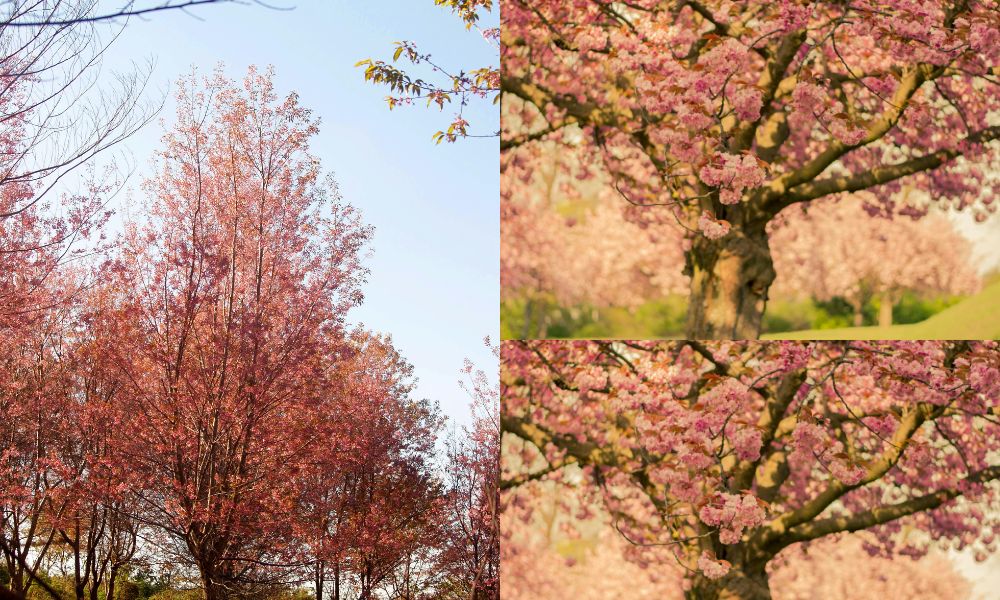
I planted an ornamental tree also in my backyard to make the space more beautiful and attractive. Ornamental trees are mainly for decoration; they add colour, style, and a fresh feeling to the garden. Even a single ornamental tree can completely change how a space looks. Ornamental trees are simply eye-catching things in the garden. When I planted an ornamental tree in the backyard space, after it had grown completely in the backyard, my family members loved it most.
As I wanted my backyard to feel calm and visually look more beautiful, I planted a tree that has beautiful flowers and doesn’t require too much maintenance.
Ornamental Tree I Planted In The Backyard Empty Space
- Cherry Blossom
My Recommendation For Maintaining This Ornamental Tree
- I watered it regularly but avoided overwatering
- I planted at a spot where it could get the proper sunlight
- I added compost sometimes for healthy and rapid growth
- I generally trimmed branches to maintain its shape
- In my experience, this ornamental tree (Cherry Blossom) does not attract too many pests, but I noticed a few common issues like tiny bugs or spots on leaves, To manage this, I was using the natural methods like spraying neem water.
Also Read: Brown Marmorated Stink Bug: How I Made My Plants Safe From This Bug
Above referred article helps you get rid of pests like stink bug, I have also shared a process to make a natural spray for getting rid of bugs.
Benefits I Got from This Tree
- It enhanced the garden look, space was more beautiful and colourful
- Created a peaceful and relaxing environment
- Added a natural and aesthetic vibe
- It Attracts birds and butterflies, so after planting it and growing with time, there were many butterflies I could see the backyard
Also Read: Gardeners’ Choice: Top 5 Roses For A Beautiful Garden
Buying Guide For These Tree Plants
If you are going and decide to buy these three plants or other tree plants for the tree garden. It is very important to choose the right plants from the start. Some trees are available in the market or nurseries in a seed form, and we can also buy their plant too. Whether you are going to plant a fruit tree, shade tree, or an ornamental tree, the quality of the seed or saplings(plant form) decides how healthy and strong your garden will grow. I bought some of them from my local nursery and some from online platforms such as Amazon. Below I am sharing where you can buy them from online platform quickly and start growing or convert your space into a beautiful tree garden.
| Tree Type | Seed/Plant | Link to Buy |
|---|---|---|
| Guava | Plant | https://amzn.to/4cNX1a0 |
| Mango | Plant | https://amzn.to/4dqM7Hm |
| Lemon | Plant | https://amzn.to/4sepACa |
| Neem | Plant | https://amzn.to/3N7SqVR |
| Cherry Blossom | Seeds | https://amzn.to/4lCNo0f |
Final Thoughts
It is time for my final thoughts on the tree garden. As per my observations, creating a tree garden takes time and patience, but effort and patience are always fruitful in the end. Personally, a successful tree garden is not about planting as many trees as possible; it is about planting the right trees at the right place. I highly recommend that you always pay attention to your space, sunlight, soil, and how much care you can give. Each small decision matters and shapes the future of your garden. When trees start growing, they provide shade, fresh fruits, beauty to the space, and even attract birds and butterflies, which gives an extra touch and beautifies the backyard or garden space more. Picking fresh fruits, or just sitting under a tree and enjoying the calm, is complete satisfaction and priceless.
Frequently Asked Questions
Which Trees Are Good For Home?
The trees mentioned below are perfect for the home, and they require a small space as well:
- Mango (dwarf/small variety) – Best for fruit and shade
- Lemon / Lime / Orange – compact citrus trees
- Papaya – It grows rapidly and is space-friendly
- Neem – medicinal, best for air-purifying
- Peepal – good choice for shade and spiritual value
- Gulmohar – beautify space with red flowers
How Much Time Does It Take For a Tree to Grow Big?
It usually takes a tree to grow big, approximately 10–20 years. It completely depends on its variety type and growing conditions. Generally, fast-growing trees may grow large in 5–10 years, and slower trees can take many years to fully mature.

My mission is to help people live healthier, greener, and more organized lives using simple and affordable methods for their home and garden.
- Big Ideas For Small Yards: How I Make a Tiny Outdoor Space Actually Work - March 19, 2026
- Don’t Buy the Wrong Rose: 5 Smart Ways to Identify Real Rose Plants - March 14, 2026
- 8 Curb Appeal Ideas I Personally Recommend for Homes in 2026 - March 11, 2026